

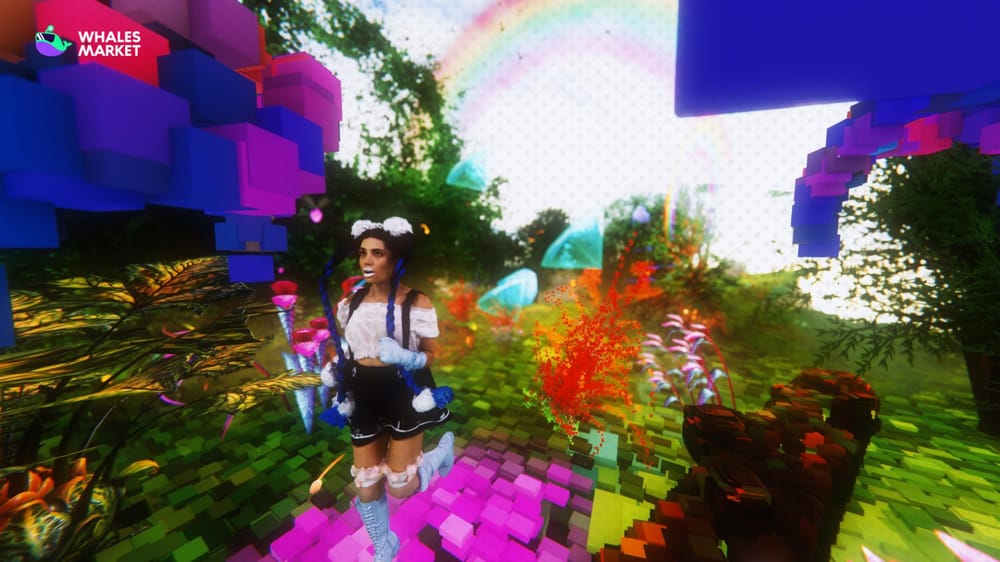
Nadya Tolokonnikova is a prominent figure known for her impactful blend of art, activism, and technological innovation. Her career began at the intersection of performance art and political protest, leading to significant global attention and establishing her as a resilient advocate for human rights. More recently, Tolokonnikova has extended her influence into the Web3 space, leveraging decentralized technologies to further her mission.
Who is Nadya Tolokonnikova?
Nadezhda "Nadya" Tolokonnikova is a Russian conceptual artist, activist, and political prisoner. She is widely recognized as a co-founder and leading member of the feminist protest art collective Pussy Riot. Her work consistently challenges political repression and advocates for social justice, freedom of speech, and prison reform.
Early Activism and Pussy Riot's Genesis
Tolokonnikova’s initial forays into activism began with radical art groups, engaging in street performances that often carried strong political messages. This foundation culminated in the formation of Pussy Riot in 2011. The collective quickly gained notoriety for their provocative, anonymous performances in public spaces, aiming to highlight issues of political corruption and human rights abuses in Russia. A defining moment occurred in February 2012 when Pussy Riot staged a "punk prayer" performance inside Moscow's Cathedral of Christ the Saviour, protesting the Russian Orthodox Church's support for Vladimir Putin. This act led to Tolokonnikova's arrest and subsequent imprisonment on charges of "hooliganism."
Post-Imprisonment Advocacy for Human Rights
Following her release from prison in late 2013, Tolokonnikova intensified her commitment to social justice. She co-founded the Zone of Law Foundation, an organization dedicated to advocating for prison reform and protecting the rights of political prisoners in Russia. Through this platform, she worked to expose harsh prison conditions and campaigned for the humane treatment of inmates. Tolokonnikova has since utilized various media outlets and public speaking engagements to raise international awareness about human rights violations and the state of political freedom in Russia.
Navigating Public Controversy
Pussy Riot's performances, particularly the Moscow cathedral protest, sparked significant international debate and controversy. While many viewed the act as a courageous expression of artistic and political dissent, others criticized it as sacrilegious or disrespectful. Her subsequent trial and imprisonment garnered global condemnation from human rights organizations and governments, fueling discussions about freedom of speech and political repression in Russia. These events initiated widespread public debates regarding the boundaries of protest art and the appropriate responses from authorities.
Lasting Impact and Recognition
Tolokonnikova's activism has significantly impacted global awareness of political repression in Russia, drawing international scrutiny to the country's human rights record. Pussy Riot's performances have left an indelible mark on contemporary art and activism, inspiring other artists and activists worldwide. Her work has earned her various awards and recognition from human rights organizations, underscoring her contributions to the defense of fundamental freedoms. Her resilience and continued efforts have cemented her status as a powerful voice against authoritarianism.
Leveraging Web3 for Activism
In recent years, Nadya Tolokonnikova has expanded her advocacy into the Web3 space, viewing decentralized technologies as powerful tools for human rights and freedom of speech. She founded Unicorn DAO, a decentralized autonomous organization focused on supporting feminist and LGBTQ+ artists and causes. Through initiatives like Unicorn DAO, Tolokonnikova explores how blockchain and NFTs can be utilized to fund artistic endeavors, circumvent censorship, and empower communities globally. Her involvement underscores a belief in Web3's potential to create new avenues for activism and philanthropy beyond traditional systems.
FAQs
Q1: What was the primary charge leading to Nadya Tolokonnikova's imprisonment?
Nadya Tolokonnikova was charged with "hooliganism motivated by religious hatred" following Pussy Riot's "punk prayer" performance in a Moscow cathedral. She and two other members were sentenced to two years in a penal colony. The case drew widespread international attention and condemnation, becoming a symbol for freedom of speech and political dissent.
Q2: What is the main goal of Unicorn DAO?
Unicorn DAO, founded by Nadya Tolokonnikova, aims to empower and support feminist and LGBTQ+ artists and projects within the Web3 ecosystem. It leverages decentralized governance and funding mechanisms to amplify underrepresented voices, provide financial resources, and build a community around intersectional feminist causes in the blockchain space. The DAO seeks to create a more equitable and inclusive environment for creators.
Q3: Has Nadya Tolokonnikova collaborated with other international artists or activists?
Yes, Nadya Tolokonnikova has engaged in numerous collaborations with international artists, musicians, and activists. She has participated in various global forums and projects, often using music, film, and performance art to spread her message. These collaborations extend Pussy Riot's reach and influence, fostering solidarity among diverse movements worldwide.
Q4: Beyond Pussy Riot, what other artistic projects has Nadya Tolokonnikova been involved with?
Beyond her work with Pussy Riot, Nadya Tolokonnikova has pursued various solo artistic projects and ventures. She has released music, directed short films, and engaged in performance art pieces that continue to explore themes of political freedom, gender, and social justice. These independent endeavors further showcase her diverse creative expressions and ongoing commitment to art as a form of protest.
Conclusion
Nadya Tolokonnikova remains a consistent and evolving voice in the landscape of global activism. Her journey from punk performance artist to human rights advocate and Web3 innovator demonstrates a continuous pursuit of freedom and justice through diverse means. Her ongoing engagement with emerging technologies suggests a forward-looking approach to fostering social change and empowering marginalized voices in an increasingly digital world.