

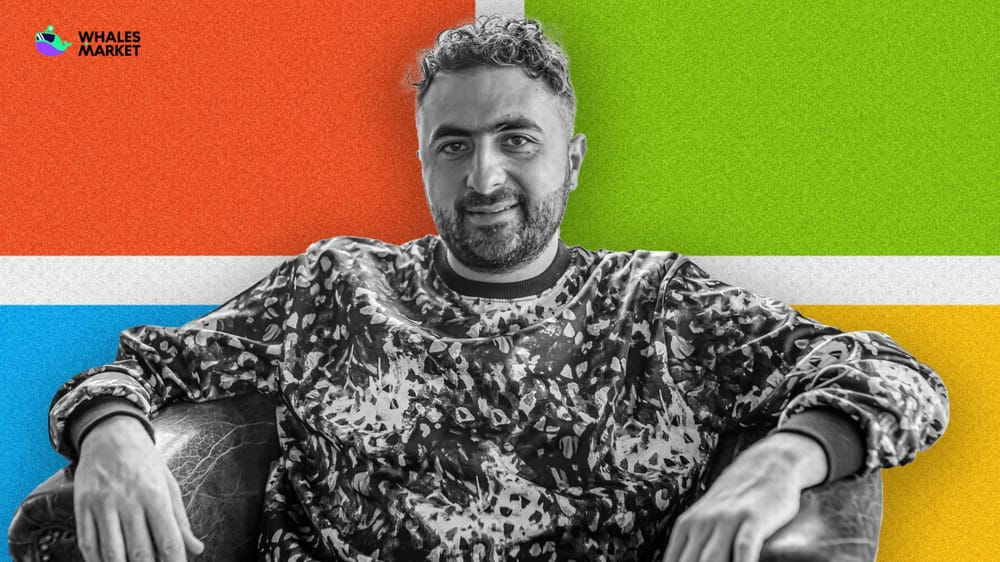
Mustafa Suleyman stands as a pivotal figure in the landscape of artificial intelligence, an entrepreneur and author recognized for his pioneering work in AI development and his significant contributions to establishing responsible AI governance frameworks. He has consistently advocated for a balanced approach, driving technological advancement while championing ethical considerations in the field.
Who is Mustafa Suleyman?
Mustafa Suleyman is a British entrepreneur, author, and AI scientist, widely acknowledged for his influential role in shaping the trajectory of modern artificial intelligence. He is known for his leadership in developing advanced AI systems and for his vocal advocacy concerning the responsible deployment of these powerful technologies. His career reflects a deep commitment to exploring both the immense potential and the profound societal implications of AI.
Career Background
Suleyman's journey into AI began after co-founding a student advice service at the University of Oxford and later working as a policy officer for Ken Livingstone, then Mayor of London. His entrepreneurial spirit led him to co-found DeepMind Technologies in 2010 alongside Demis Hassabis and Shane Legg. DeepMind quickly rose to prominence as a leading AI research company, culminating in its acquisition by Google in 2014, where Suleyman continued to lead applied AI efforts.
Following his tenure at Google, Suleyman transitioned to co-found Inflection AI in 2022 with Reid Hoffman and Karén Simonyan. This new venture shifted focus toward creating personal AI assistants designed to enhance human-computer interaction. His career progression highlights a consistent drive to push the boundaries of AI research and application.
Product and Technology Contributions
During his time at DeepMind, Suleyman was deeply involved in several groundbreaking projects that demonstrated advanced AI capabilities. These included the development of AlphaGo, the AI program that famously defeated world champions in the complex game of Go, showcasing sophisticated learning algorithms and strategic reasoning. His work contributed to the innovative aspects and technical achievements that positioned DeepMind at the forefront of AI research.
At Inflection AI, Suleyman has been instrumental in shaping its core product offerings, notably the conversational AI assistant named Pi. Pi is designed to be a personal AI, offering empathetic and supportive interactions. This initiative represents a focus on developing AI that can provide individualized utility and companionship, pushing the boundaries of natural language understanding and interaction beyond traditional search or task-based functions.
Core Philosophy on AI
Suleyman holds core beliefs centered on the imperative of responsible AI development and deployment. He consistently emphasizes AI safety, ethics, and the need for proactive governance to navigate the technology's rapid evolution. His philosophy underscores that AI's immense capabilities necessitate a framework that prioritizes human well-being and societal stability.
He articulates a perspective where AI, alongside other emerging technologies like synthetic biology, represents a "coming wave" that will fundamentally reshape human society. His views explore the potential for both transformative benefits and significant risks, advocating for a cautious yet ambitious approach to innovation that integrates ethical considerations from inception. This outlook guides his work and public discourse on the future of technology.
Industry Influence
The establishment and achievements of DeepMind significantly impacted the broader AI research landscape, inspiring new approaches to machine learning and demonstrating the potential for AI to solve complex problems. Under Suleyman's leadership, DeepMind pushed the boundaries of what was thought possible in areas such as game theory and reinforcement learning, setting new benchmarks for AI capabilities.
Inflection AI, through its development of personal AI assistants, shows significant potential to disrupt the traditional personal technology market. By focusing on empathetic and supportive AI, it introduces a novel paradigm for human-AI interaction. Furthermore, Suleyman's vocal stance has profoundly influenced industry discussions around AI ethics and governance, encouraging a collective responsibility among developers and corporations to consider the wider implications of their creations.
Public Advocacy
Mustafa Suleyman actively engages in public speaking and authorship to shape discourse around AI-related topics. Through various platforms, he has presented his insights on the potential risks and benefits of artificial intelligence, helping to inform a wider audience about the complexities of this technology. His writings, including "The Coming Wave: Technology, Power, and the Twenty-First Century's Greatest Challenge," serve as a key vehicle for his advocacy.
He consistently engages with policymakers, academics, and other stakeholders to promote responsible AI development and establish robust governance frameworks. His efforts aim to bridge the gap between technological innovation and societal preparedness, fostering a proactive approach to managing AI's integration into society. This public engagement underscores his commitment to ensuring AI benefits humanity broadly.
FAQs
What is Mustafa Suleyman's educational background?
Mustafa Suleyman initially studied Philosophy and Theology at the University of Oxford, though he left before completing his degree. His early academic focus on humanities provided a foundation for his later deep engagement with ethical considerations surrounding advanced technologies. This interdisciplinary perspective has influenced his approach to AI development and governance.
Beyond his entrepreneurial roles, what other capacities has Suleyman served in within the AI ecosystem?
In addition to his entrepreneurial ventures, Suleyman has advised various governmental and non-profit organizations on AI policy and ethics. He has participated in several international forums and expert groups dedicated to shaping global AI governance. These roles allow him to contribute to the broader conversation about AI's future outside of commercial product development.
What was the strategic significance of DeepMind's acquisition by Google?
DeepMind's acquisition by Google was strategically significant because it provided DeepMind with substantial resources and computational power, accelerating its research capabilities. For Google, it secured a leading position in advanced AI research and talent, strengthening its own AI initiatives and competitive edge. This partnership allowed DeepMind's breakthroughs to be integrated into Google's vast ecosystem.
What specific ethical frameworks or guidelines does Suleyman advocate for in AI development?
Suleyman advocates for transparent AI systems, robust accountability mechanisms, and human oversight in critical AI applications. He also emphasizes the importance of fairness, non-discrimination, and privacy protection in AI design and deployment. His proposals often highlight the need for international cooperation to establish universal standards for AI ethics.
Conclusion
Mustafa Suleyman remains a leading voice at the intersection of AI innovation and responsible governance. His trajectory, from pioneering DeepMind to launching Inflection AI and authoring influential works, reflects a continuous drive to advance technology while rigorously addressing its societal implications. As AI continues its rapid evolution, Suleyman's perspective on ethical development and proactive policy will undoubtedly continue to shape the global conversation.