

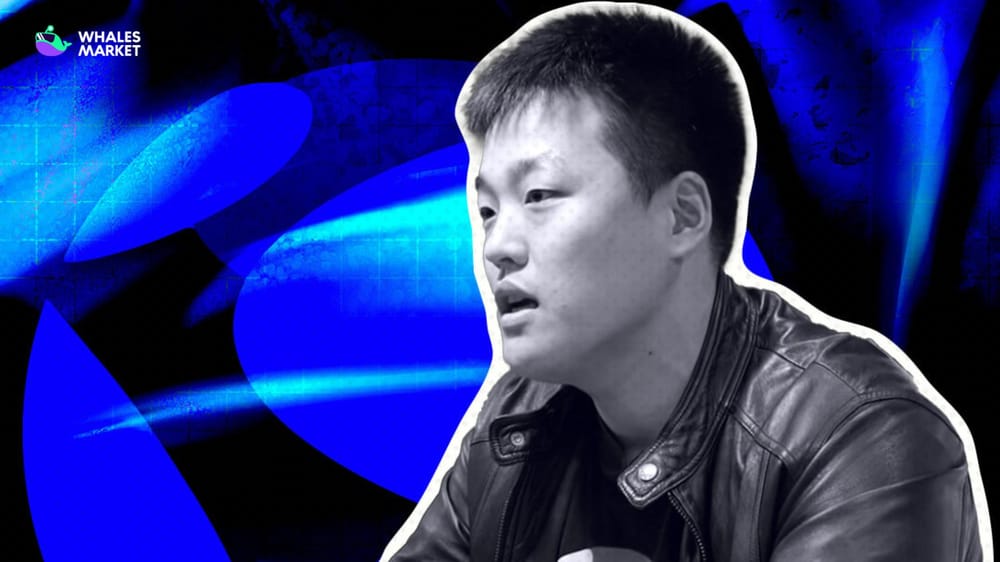
Do Kwon, a South Korean entrepreneur, rose to prominence as the co-founder of Terraform Labs, the entity behind the Terra blockchain ecosystem, including the TerraUSD (UST) stablecoin and its sister token LUNA. His work aimed to innovate in decentralized finance, though it culminated in a widely reported market collapse in May 2022. Following this event, Kwon has faced significant international legal challenges, becoming a central figure in discussions about cryptocurrency regulation and accountability.
Who is Do Kwon?
Do Kwon is an entrepreneur and software developer best known as the co-founder and former CEO of Terraform Labs. The company developed the Terra blockchain, which featured an algorithmic stablecoin, TerraUSD (UST), and its governance token, LUNA. He is currently undergoing legal proceedings related to the collapse of the Terra ecosystem.
Early Career and Vision
Kwon’s academic background includes a degree in computer science from Stanford University. Before co-founding Terraform Labs in 2018, he worked as a software engineer at Apple and Microsoft. His early motivations for entering the cryptocurrency space centered on creating a decentralized financial system and stable, programmable money that could seamlessly integrate into everyday transactions. This vision informed the development of the Terra ecosystem.
The Algorithmic Stablecoin Model
The core innovation of Terraform Labs was the TerraUSD (UST), an algorithmic stablecoin designed to maintain a 1:1 peg with the US dollar. Unlike fiat-backed stablecoins, UST relied on a complex mechanism involving LUNA, its volatile sister token, to maintain its peg. When UST’s price deviated, LUNA tokens were minted or burned to absorb price fluctuations and restore equilibrium. This design aimed to offer decentralization and scalability.
Public Persona and Project Advocacy
Do Kwon maintained a highly visible and often outspoken public persona, particularly on social media platforms. He was known for his confident communication style, which he frequently employed to promote and defend the Terra ecosystem. This approach significantly influenced public perception of the project, drawing both fervent support and critical scrutiny as the ecosystem grew and faced challenges.
Pre-Collapse Growth and Milestones
Before its significant downturn, the Terra ecosystem experienced substantial growth and achieved notable milestones. TerraUSD became one of the largest stablecoins by market capitalization, and LUNA frequently ranked among the top cryptocurrencies. The project garnered considerable adoption, forged various partnerships within the DeFi space, and built a vibrant ecosystem of decentralized applications and protocols.
The UST/LUNA Collapse and Aftermath
In May 2022, the Terra ecosystem experienced a catastrophic de-pegging event, where UST lost its dollar parity and LUNA’s value plummeted near zero. This rapid collapse led to widespread investor losses and sparked numerous investigations. Kwon faced allegations of fraud and securities violations from multiple jurisdictions, including the United States and South Korea, leading to international arrest warrants and his eventual extradition to South Korea from Montenegro.
Broader Market Repercussions
The collapse of UST and LUNA sent significant ripple effects throughout the entire cryptocurrency market, contributing to a broader market downturn. It severely eroded investor confidence in algorithmic stablecoins and the broader decentralized finance sector. This event also catalyzed increased regulatory scrutiny worldwide, prompting calls for stricter oversight of stablecoins and crypto projects to mitigate systemic risks.
FAQs
What happened to the Luna Foundation Guard (LFG) Bitcoin reserves?
The Luna Foundation Guard, a non-profit organization supporting the Terra ecosystem, held substantial Bitcoin reserves intended to defend UST's peg. During the May 2022 collapse, these reserves were largely deployed in an unsuccessful attempt to stabilize UST. The disposition and exact usage of all these assets have been subject to ongoing scrutiny and investigation by authorities.
What other projects was Do Kwon involved in besides Terra?
Before Terraform Labs, Do Kwon founded Anyfi, a peer-to-peer mesh network solution. After the Terra collapse, he was also involved in the creation of a new chain, often referred to as Terra 2.0, which launched a new LUNA token (LUNA2) and aimed to rebuild the ecosystem without the algorithmic stablecoin UST. However, this new chain did not regain the prominence of the original.
What is the current status of the legal proceedings against Do Kwon?
Do Kwon was arrested in Montenegro in March 2023 for using forged travel documents. Following an extended legal process regarding extradition requests from both the United States and South Korea, he was extradited to South Korea in March 2024. He faces criminal charges in both countries related to fraud and securities violations.
How did the Terra ecosystem facilitate real-world payments before its collapse?
Before its collapse, the Terra ecosystem aimed to integrate into real-world payment systems through its Chai payment app, popular in South Korea. Chai enabled users to pay with KRT (TerraKRW), Terra's Korean Won-pegged stablecoin, at various merchants. This provided a practical use case for Terra's stablecoin technology beyond just cryptocurrency trading.
Conclusion
Do Kwon's trajectory, from an ambitious entrepreneur to a central figure in a major cryptocurrency collapse, underscores the volatility and nascent regulatory landscape of the Web3 space. His story continues to shape discussions around algorithmic stablecoin design, investor protection, and the accountability of project founders, influencing the future direction of decentralized finance and blockchain innovation.