

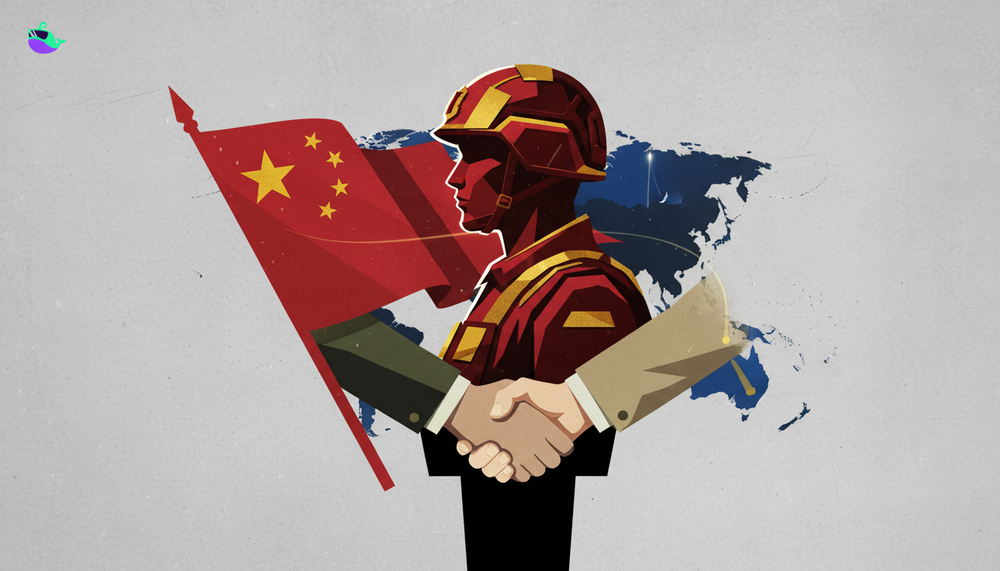
The People's Liberation Army (PLA) is a key element in U.S. military strategy, often seen as a rapidly advancing rival. This article offers a glimpse into the everyday lives of ordinary Chinese soldiers, contrasting with the image of military might. We'll explore their experiences, challenges, and the evolving perception of military service in China.
The Realities of Enlistment and Public Perception
While the PLA technically relies on conscription, it functions largely as a volunteer force. The military rarely struggles to meet recruitment goals, as enlistment is not forced. Although university students undergo brief military training, it mainly involves marching, drills, and ideological indoctrination.
The social standing of soldiers in China has undergone significant changes. Historically, military service was often viewed negatively, considered harsh, dangerous, and unbecoming for respectable individuals. Confucian values reinforced this perception, and sayings like "Good iron isn’t used for nails; good men don’t become soldiers" were common.
The period between the 1910s and 1940s, marked by civil war and foreign invasion, further damaged the image of soldiers, who were often seen as bandits. The Chinese Communist Party (CCP) made a concerted effort to improve the image of its armed forces, which would later become the PLA.
Drawing inspiration from Soviet models, the CCP aimed to transform soldiers into disciplined heroes. Propaganda and patriotic wars against Japan and later the U.S. in Korea significantly improved their reputation. After the founding of the People's Republic of China in 1949, military service became a viable path for young people from rural areas to improve their lives, particularly during the Cultural Revolution.
Changing Times and Modern Challenges
The economic reforms initiated in 1979 brought about significant changes. Higher education and urban life offered greater financial rewards and social status compared to military service. The PLA appeared outdated as the general population no longer faced rationing and strict political control.
The PLA's reputation suffered further after the Tiananmen Square incident in 1989. Subsequently, an unofficial policy was implemented, prohibiting soldiers from serving in their home provinces to prevent them from siding with potential protesters. The one-child policy also added to the challenges of enlistment, as soldiers faced long deployments and the responsibility of caring for aging parents without siblings to share the burden.
Today, recruitment to the PLA primarily comes from rural areas, but the military now places a greater emphasis on education. The percentage of recruits with a ninth-grade education or lower has decreased significantly, while a slight majority now have some college education. The force remains overwhelmingly male, with the proportion of women declining over the years.
| Year | Percentage of Women in PLA |
|---|---|
| 2000 | 5.4% |
| 2020 | 3.8% |
Despite rising youth unemployment, the glorification of soldiers in state media, and competitive pay and benefits, the PLA remains unattractive to many young people. Military life is isolated, restrictive, and tightly controlled. Chinese soldiers were not allowed mobile phones until 2015 and are still subject to higher levels of surveillance and restrictions compared to their Western counterparts.
Daily Life and Bureaucracy
While improving living conditions has been a priority under Chinese President Xi Jinping, housing for soldiers has historically been poor. Life on base can be bleak, particularly in remote border regions with limited facilities and entertainment.
Marriage for those in the PLA also presents challenges. Soldiers may spend as few as 40 days per year with their spouses, and it can take a decade or more to earn the right to live together as a family. Military wives face restrictions regarding divorce. These rules, intended to reassure soldiers, often deter marriage.
Daily life for Chinese soldiers, like in any military, revolves around maintenance and training, with an emphasis on political education. Commissars oversee troops' education and morale, as well as monitoring officers for loyalty. In practice, this involves sports, team-building exercises, and formal political lectures.
Based on discussions with former soldiers and state media military correspondents, it appears that petty bureaucracy and official tyranny are more prevalent in the PLA than in most armies. A persistent culture of graft also exists.
FAQs
Is military service in China mandatory?
While China technically has conscription, the People's Liberation Army (PLA) functions as a largely volunteer force, with recruitment goals generally being met without forced enlistment. University students undergo brief military training, but it's mainly focused on drills and ideological indoctrination.
How has the perception of soldiers changed in China over time?
Historically, military service was often viewed negatively in China. However, the Chinese Communist Party (CCP) worked to improve the image of soldiers, transforming them into disciplined heroes through propaganda and patriotic wars, especially after the founding of the People's Republic of China in 1949.
What are some of the modern challenges facing the PLA in terms of recruitment and service?
Economic reforms have led to higher education and urban life offering more attractive opportunities than military service. The one-child policy also presents challenges, as soldiers face long deployments and the sole responsibility of caring for aging parents.
You've got the context, now make it count. Leverage your political savvy and explore the exciting world of pre-market crypto trading on Whales Market, the prediction and pre market crypto trading hub.