


Cryptocurrency has rapidly evolved from a niche technological experiment into a global financial phenomenon. From Bitcoin’s early days as a decentralized alternative to traditional money, cryptocurrencies have expanded into a diverse ecosystem powering payments, decentralized finance (DeFi), NFTs, and digital ownership models.
So what is cryptocurrency and why does it have value? Let’s dive into this article.
What is Cryptocurrency?
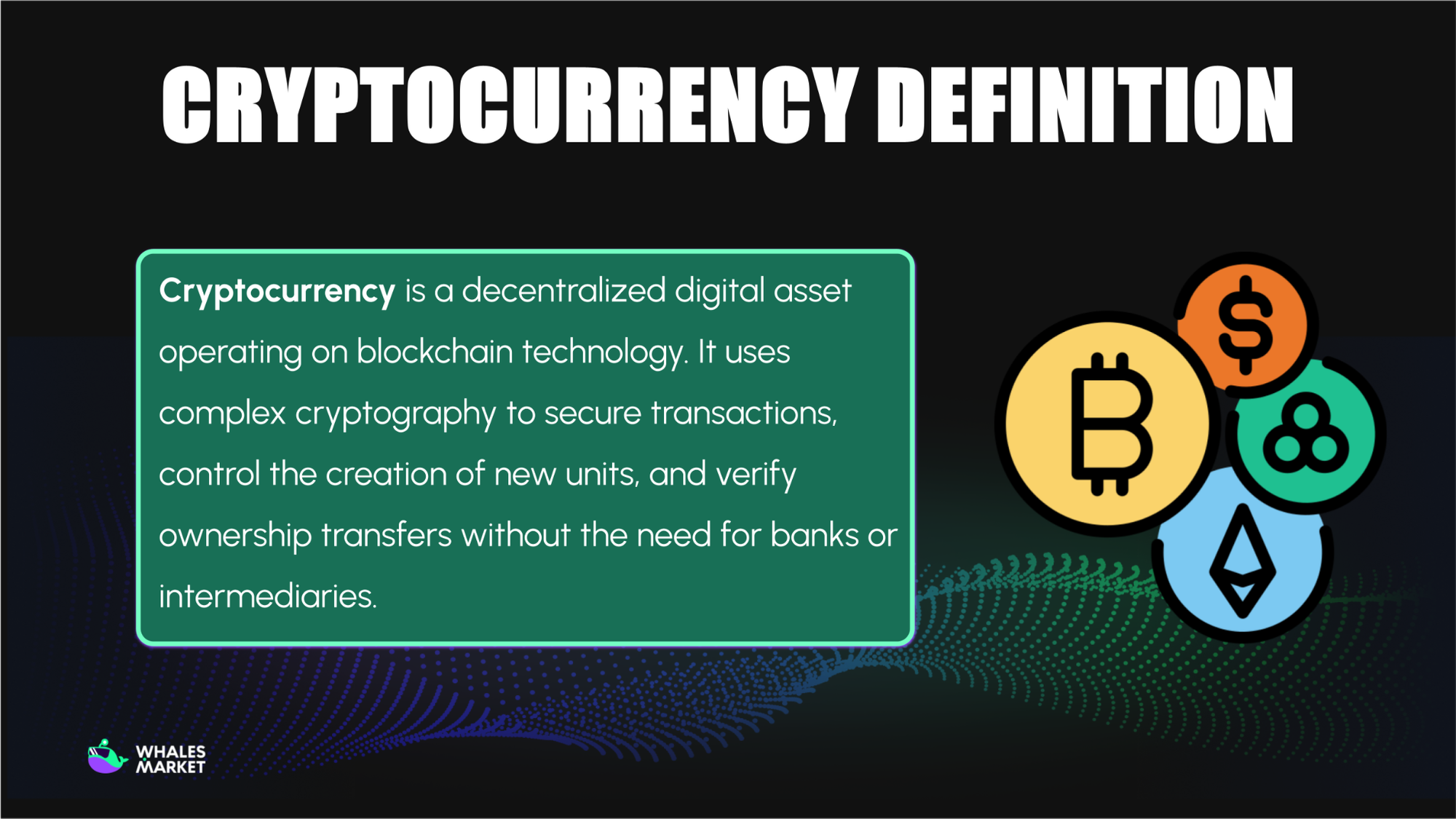
Cryptocurrency (or crypto) is a decentralized digital asset operating on blockchain technology. It uses complex cryptography to secure transactions, control the creation of new units, and verify ownership transfers without the need for banks or intermediaries. Crypto stands out for its anonymity, fast transaction speeds, and lack of government regulation.
What are the outstanding characteristics of Cryptocurrency?
Cryptocurrency stands out thanks to five key characteristics: decentralization, digitization, peer-to-peer transactions, anonymity, and globalization.
These characteristics combine to create a new financial ecosystem defined by flexibility, transparency, and global reach, while opening up opportunities and challenges entirely different from traditional fiat currency.
- Decentralization: Crypto operates on a distributed blockchain network, without a central organization controlling it. Each transaction is confirmed by independent nodes, making the system, no country or organization can block or alter transactions recorded on the blockchain. Users retain control of their assets without relying on banks or third parties.
- Digital nature: Unlike paper money, cryptocurrency only exists as encrypted data on the internet. Coins or tokens cannot be physically held, all storage and transactions take place in digital wallets or crypto exchanges.
- Peer-to-peer: Users exchange cryptocurrency directly with each other without intermediaries like banks. This eliminates intermediary fees, only processing fees on the network. Moreover, cross-border transactions can be completed in minutes, instead of days like traditional systems.
- Anonymity: Each wallet address is just a string of characters, not directly linked to personal information. This allows users not to need to provide their name or ID card number when transacting. However, anonymity can also be exploited for illegal activities, leading to money laundering risk.
- Global accessibility: Crypto has no borders, anyone with internet access can participate. This means people without bank accounts can still own or trade crypto, and transactions can be executed internationally without currency conversion.
Cryptocurrency Classification: Types of Crypto
Crypto are divided into four major groups:
- Bitcoin - the first Cryptocurrency and considered digital gold.
- Altcoins - all coins other than Bitcoin.
Each group has different mechanisms, advantages, and risks, creating a diverse but challenging ecosystem.
Bitcoin
Bitcoin (BTC) was created in 2009 by the anonymous figure Satoshi Nakamoto. It is the first cryptocurrency and has the largest market capitalization.
A key factor making Bitcoin valuable is its limited supply: only a maximum of 21 million BTC will be issued, creating scarcity and the potential for price appreciation over time.
Institutional recognition has further strengthened its position. Public companies such as MicroStrategy and Tesla have added Bitcoin to their balance sheets, while asset managers including BlackRock and Fidelity have launched spot Bitcoin ETFs in the United States. These ETFs have attracted billions of USD in inflows, integrating Bitcoin into traditional financial markets and making it accessible to a broader range of investors through regulated vehicles.
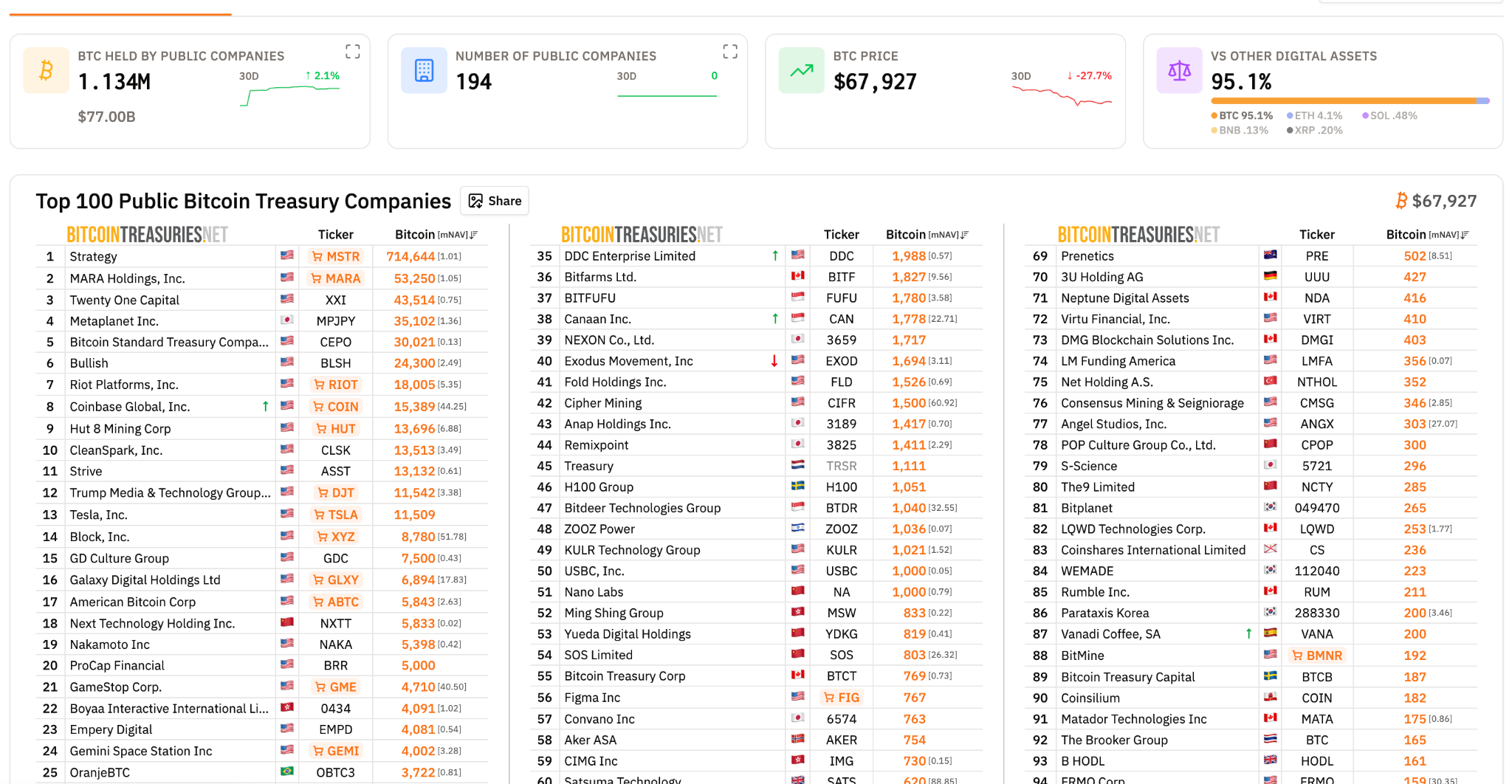
In addition, Bitcoin is increasingly viewed as a macro asset. In countries facing high inflation or currency instability, it is used as a store of value and cross-border transfer tool. El Salvador even adopted Bitcoin as legal tender in 2021, marking a historic milestone in sovereign-level recognition.
Learn more: What to know before investing in Bitcoin
Altcoin
Altcoin (or alternative coin) is all Cryptocurrency that emerged after Bitcoin collectively.
Each altcoin typically has its own feature or purpose, and broaden the options for investors depending on their goals: long-term growth or short-term profits.
For example, Ethereum (ETH) is not only a means of payment but also the “fuel” that powers smart contracts and decentralized applications on the Ethereum network. Litecoin (LTC) aims for faster transaction confirmation speeds than Bitcoin.
In addition, there are altcoins focused on privacy (like Monero), decentralized finance (DeFi) (like Aave, Compound), or even stablecoins (like USDT, USDC).
Another specific type of altcoin that focus on short-term profit is memecoin, which is originated from a social media trend, using memes as a promotional theme. For example:
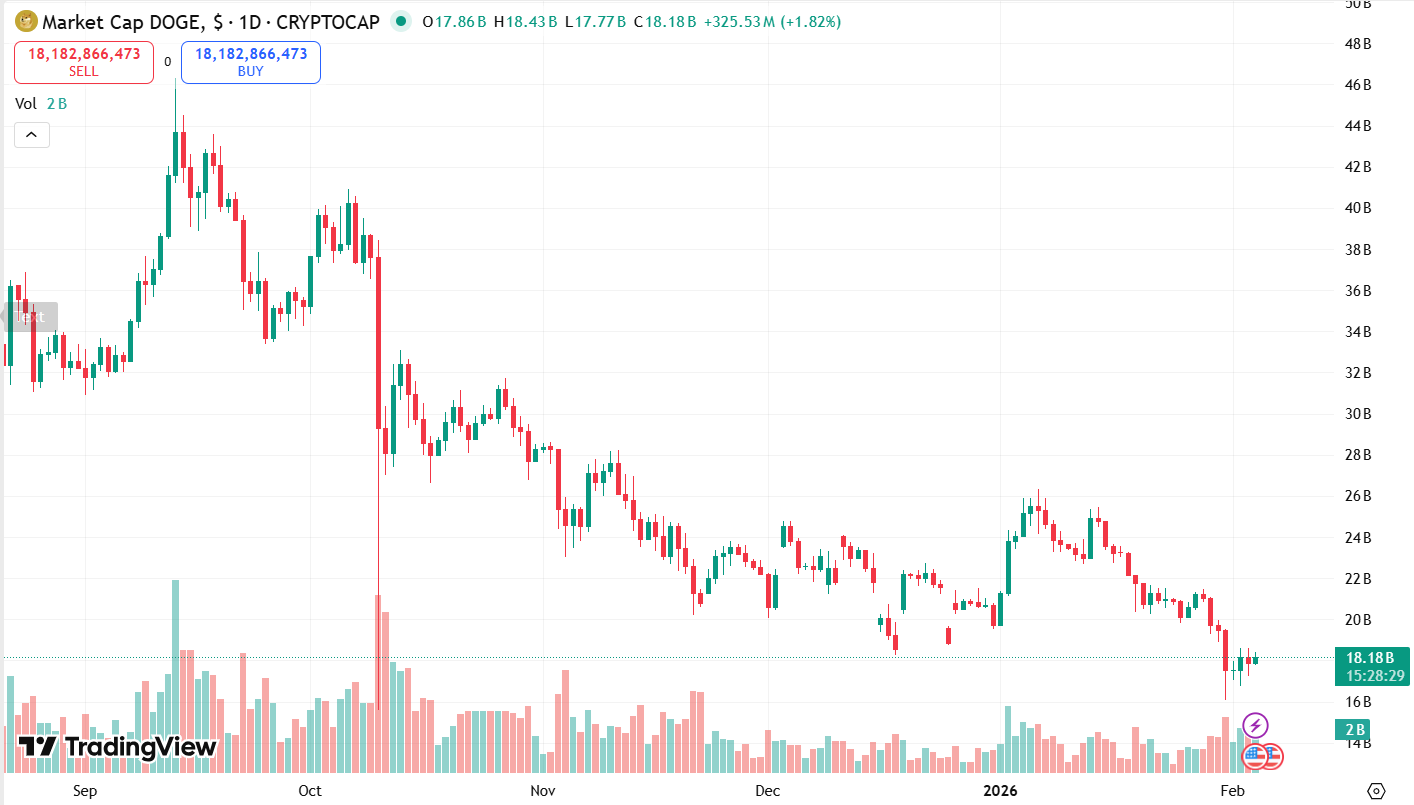
- Dogecoin (DOGE) is the prime example of memecoin. It is initially a joke, but later gaining popularity due to its humor and the endorsement of several celebrities.
- Shiba Inu (SHIB) is a memecoin that rose to prominence through a similar pet dog effect.
Memecoins often experience sharp price increases in the short term due to community hype, but lack a solid technological foundation and long-term applications, thus posing significant risks.
Shitcoins are cryptocurrencies without a clear development roadmap or practical application value. They are often judged as junk due to a lack of technological innovation, a lack of a transparent development team, or being created primarily for pump and dump purposes. Investors in shitcoins face very high risks because the price can collapse rapidly when the issuing team withdraws funds.
Although both are speculative, memecoins have communities and marketing narratives that help them maintain liquidity and attract capital quickly. Shitcoins, on the other hand, often lack both a community and applications, and are prone to collapse when the "craze" fades. Investors need to clearly identify the origin, community, and practical utility before deciding to invest in memecoins or shitcoins.
Advantages of Cryptocurrency
Crypto offers three outstanding advantages over traditional money: decentralization, security and privacy protection, and fast transactions at low cost.
Community-driven
Unlike fiat currency controlled by governments and central banks, cryptocurrency is issued and operated on a globally distributed blockchain network. Each node (computer) holds a copy of the ledger and participates in verifying and recording crypto transactions.
This mechanism eliminates a central bottleneck, preventing the risk of system collapse if an organization or country experiences a crisis. In the context of economic instability, users can hold assets in crypto wallets without worrying about being frozen or lost due to bank failures or capital controls.
Example: In June 2021, El Salvador became the first country in the world to officially recognize Bitcoin as legal tender, allowing citizens to use BTC to pay for goods and services alongside the US dollar.

This decision demonstrates the power of decentralization: instead of relying on a central bank or foreign government, all Bitcoin transactions are confirmed by a global network of distributed nodes, allowing citizens to maintain control of their assets even when the traditional financial system is in crisis.
Since the law came into effect, hundreds of thousands of downloads of the Chivo wallet (a Bitcoin wallet issued by the Salvadoran government) have been recorded, proving that citizens truly benefit from the freedom to transfer and store value without a central "bottleneck."
Security and Privacy
Blockchain uses cryptographic algorithms to ensure the integrity and authenticity of each transaction. Each transaction is signed with a private key and can only be decrypted by the corresponding public key, preventing data tampering or forgery.
This allows users to not need to disclose personal information such as name, ID number, or bank account details when transacting, protecting privacy from third parties and reducing the risk of sensitive data leaks.
Furthermore, the crypto market also includes privacy coins that focus on privacy, allowing users to remain completely anonymous by hiding both their address and transaction information.
Example: Zcash (ZEC) is a typical privacy-coin, allowing users to choose “shielded transactions” to hide both the wallet address and the transaction amount using zk-SNARKs technology. In practice, a migrant business owner in Europe can send money to family in Africa without revealing their identity or the amount sent thanks to a fully encrypted Zcash “z-addr” wallet.
Each transaction is signed using a private key and recorded on the blockchain without any personally identifiable data, preventing phishing attacks and data leaks to third parties.
Therefore, Zcash not only protects individual privacy but is also suitable for industries requiring strict security compliance, such as healthcare or finance.
Fast and Low-cost Transactions
While international money transfers via banks can take from hours to days and incur various fees (transfer fees, exchange rates, intermediary fees, etc.), Cryptocurrency transactions are typically confirmed within minutes, even seconds, on modern blockchains, with lower transaction fees.
Example: A US import-export company once experimented with paying its Japanese partner via Bitcoin instead of SWIFT, recording a transaction completed within 10 minutes compared to 2–3 days with the traditional banking system.
The total transaction fee was only about 0.0005 BTC (equivalent to 25 USD at the time), much lower than SWIFT fees which could reach up to 30 USD per transfer.
Furthermore, there are no complex intermediary processes or international verification, saving businesses both time and administrative procedures. As a result, supply chains have become more flexible, especially in the context of exchange rate volatility and global banking disruptions.
Limitations of Crypto: Is Cryptocurrency safe?
Despite its potential, cryptocurrency also face several significant challenges including high volatility, security risks, entry barriers for new users, legal and regulatory uncertainty, market manipulation risks.
High volatility
The crypto market is known for its high volatility. Cryptocurrency prices can change very quickly, even within hours. This creates a very risky investment environment, especially for new investors with little experience. The value of cryptocurrency can be affected by many factors, from market news and changes in regulatory policies to investor sentiment.
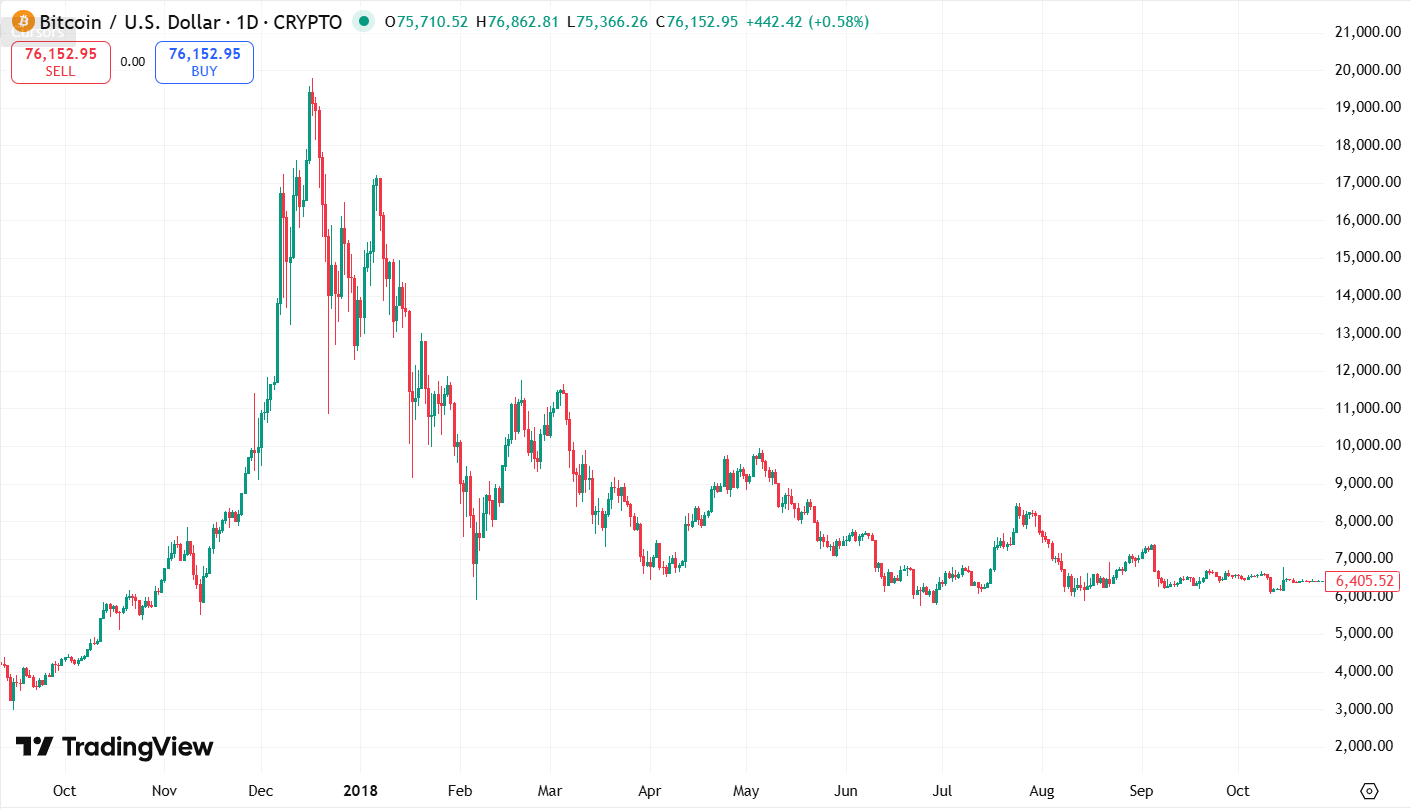
One of the most prominent examples of crypto price volatility is the sharp drop in Bitcoin in 2018. After reaching its historical peak at the end of 2017, the price of Bitcoin fell by approximately 80% in just one year. This decline not only affected Bitcoin but also spread to the entire crypto market, causing significant losses for many investors, especially newcomers.
Security risks
Although cryptocurrency is designed with high security, the risk of hacking and fraud still exists. Security incidents such as exchange hacks, security vulnerabilities in e-wallets, or sophisticated scams have caused significant losses for many users.
Furthermore, due to its anonymity and difficulty in control, cryptoy can also become a tool for illegal activities such as money laundering or terrorist financing.
To mitigate these risks, investors need to choose a reputable exchange to begin their own investment strategy.
Entry barriers for new users
One of the most practical limitations of Bitcoin and other cryptocurrencies is the technical learning curve. New users must understand how to:
- Create and secure a wallet
- Manage private keys and seed phrases
- Use exchanges or decentralized platforms
- Execute transactions and pay network fees
Unlike traditional banking, there is no central authority to recover lost passwords or reverse mistaken transfers. This self-custody model increases financial sovereignty but also places full responsibility on the user. For individuals without technical knowledge, this can be a significant barrier to entry.
Legal and regulatory uncertainty
Cryptocurrency is not uniformly recognized worldwide. While some countries have established regulatory frameworks and approved products such as Bitcoin ETFs, others have imposed restrictions or outright bans on crypto trading and mining.
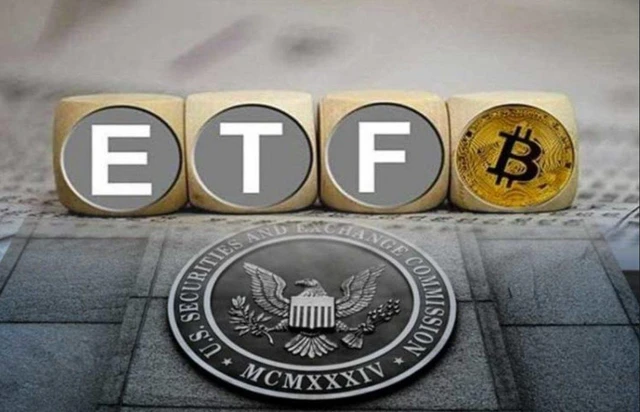
Regulatory uncertainty can affect market confidence, liquidity access, and institutional participation. Sudden policy changes may also trigger sharp price reactions. The lack of consistent global regulation remains one of the structural challenges for long-term mainstream adoption.
Market manipulation risks
Compared to traditional financial markets, the cryptocurrency market is still relatively young and fragmented. In certain segments, especially low-cap tokens, liquidity can be thin, making prices more susceptible to manipulation.
Practices such as wash trading, coordinated pump-and-dump schemes, and large “whale” transactions can significantly impact short-term price movements. Although Bitcoin itself is less vulnerable due to its large market capitalization and liquidity, smaller cryptocurrencies may experience extreme volatility driven by concentrated holders.
Important things when Investing in Crypto
Investing in crypto can be exciting, but it also comes with real risks. Before putting money into the market, it’s important to understand where to buy, how to store your assets, and what principles to follow to protect yourself.
Where to buy Crypto
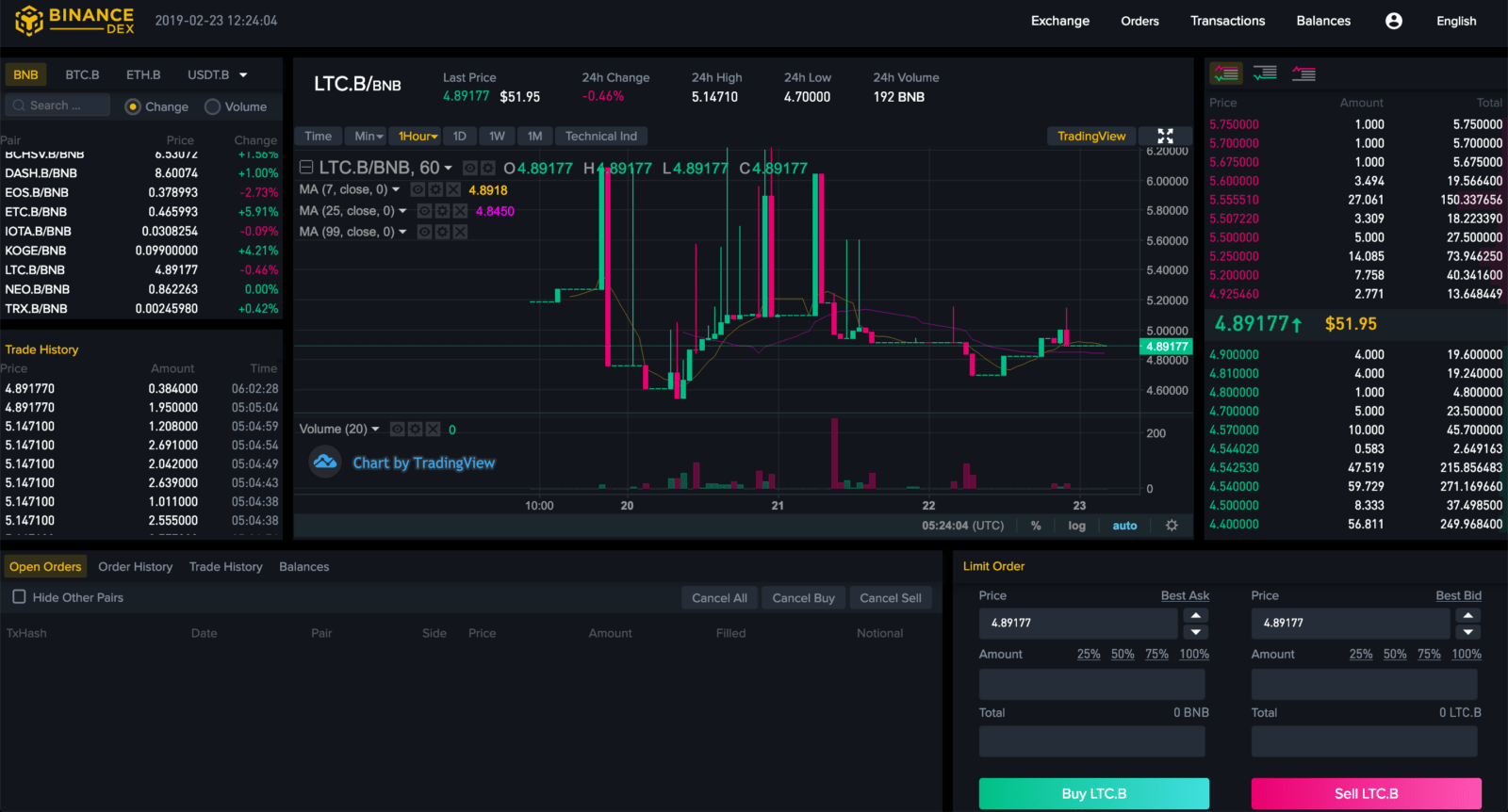
There are two main ways to buy cryptocurrency: Centralized Exchanges (CEX) and Decentralized Exchanges (DEX).
Centralized Exchanges (CEX)
These are platforms operated by companies that manage custody and match buy and sell orders for users.
- Easier for beginners
- Offer customer support
- Support fiat deposits (bank transfer, card, etc.)
- Require identity verification (KYC)
Some well-known exchanges include Binance, Coinbase, Bybit,...
Learn more: Is CEX safe for new crypto investors?
Decentralized Exchanges (DEX)
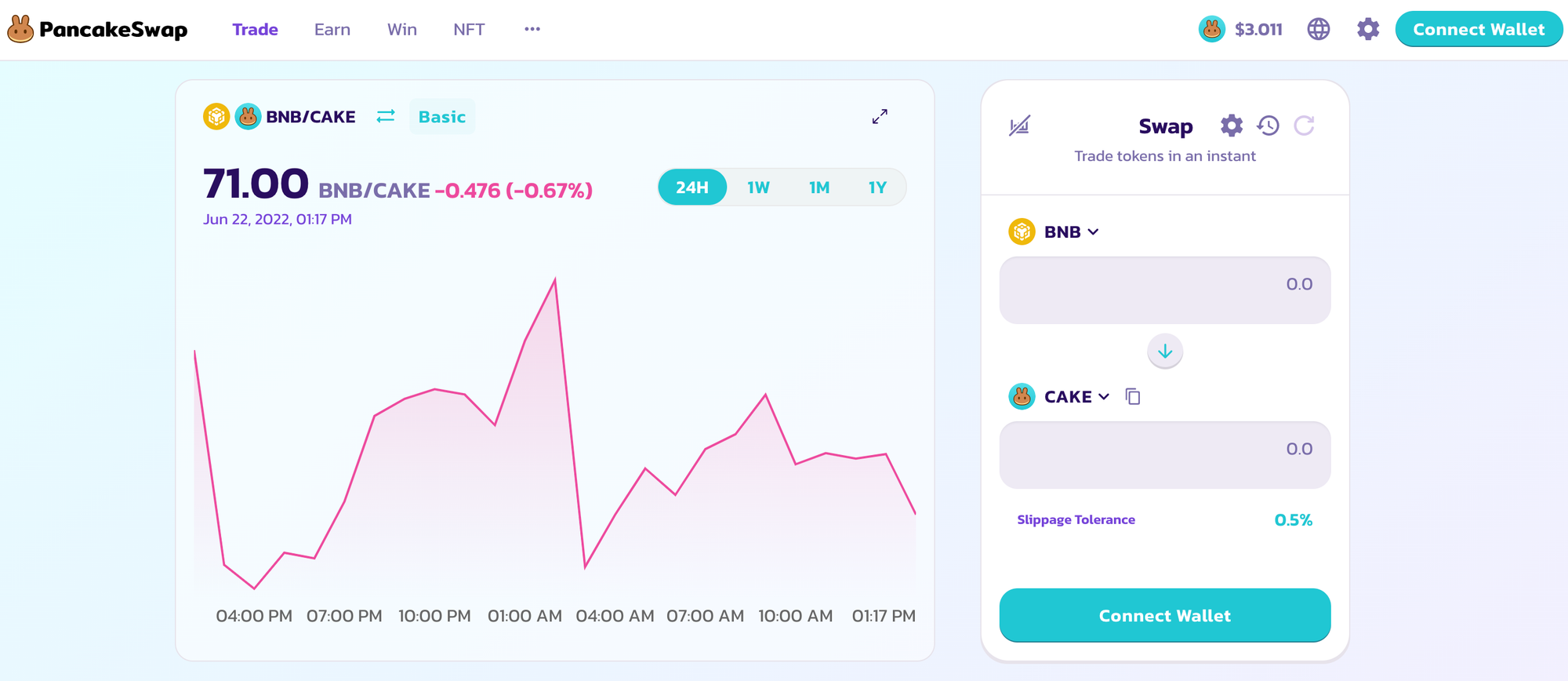
DEX platforms allow users to trade directly from their own wallets without giving custody to a third party.
- No centralized control
- No mandatory KYC in most cases
- Users keep full control of private keys
- Require more technical understanding
Popular DEX platforms include Uniswap, PancakeSwap, and Jupiter.
Learn more: Should new crypto investors use DEX?
For beginners, starting with a reputable CEX is often simpler. As experience grows, many users explore DEX platforms for more flexibility.
How to store Crypto
After buying crypto, storage becomes critical. There are two main types of wallets:
- Hot wallets: Hot wallets are practical for small amounts or daily usage, but they should not hold large long-term investments.
- Cold wallets: Cold wallets are generally recommended for long-term holdings and larger balances. The key difference is simple: hot wallets prioritize convenience, while cold wallets prioritize security.
What to keep in mind
One of the most important concepts in crypto is the private key. Whoever controls the private key controls the assets. Losing a private key or seed phrase usually means losing access permanently. There is no “forgot password” option in decentralized systems. Always store recovery phrases offline and never share them with anyone.
Learn more: Why is private key important and how to protect it?
Portfolio management is equally important. Avoid putting all capital into a single token, especially high-risk assets. Diversifying across sectors and managing position sizes can reduce exposure to sudden volatility. Crypto markets move fast, and emotional decisions often lead to poor outcomes.
Security should always come first. Scams, phishing links, fake tokens, and impersonation accounts are common. Double-check URLs, avoid clicking suspicious links, and verify contract addresses before interacting with new tokens.
In crypto, protecting capital is just as important as growing it.
Conclusion
Cryptocurrency represents a fundamental shift in how value can be stored, transferred, and managed in a digital world. Built on blockchain technology, it offers decentralization, transparency, enhanced security, and global accessibility that traditional financial systems often struggle to provide.
FAQs
How is cryptocurrency different from traditional money?
Unlike fiat currency, cryptocurrency is decentralized, operates digitally only, and enables peer-to-peer transactions without intermediaries such as banks.
Is cryptocurrency legal?
The legality of cryptocurrency depends on each country’s regulations. Some countries fully embrace it, others restrict or regulate its use, and a few ban it entirely.
What gives cryptocurrency its value?
Cryptocurrency value is driven by factors such as supply and demand, utility, network adoption, scarcity (e.g., Bitcoin’s fixed supply), and market sentiment.
What are the important things to keep in mind when investing in crypto?
The most important thing to remember when investing in crypto is to understand the risks and volatility of the market. You should invest cautiously, and not use all your savings or borrowed money to invest. You should build an investment strategy based on your goals and risk tolerance.
Why are cryptocurrency prices so volatile?
Prices fluctuate due to market sentiment, regulatory news, technological updates, macroeconomic factors, and the relatively young and speculative nature of the market.
When was cryptocurrency invented?
Cryptocurrency was introduced in 2009 with the launch of Bitcoin, following the publication of its whitepaper in late 2008. Bitcoin marked the first successful implementation of a decentralized digital currency using blockchain technology.
Who controls the value of cryptocurrency?
No single entity controls the value of cryptocurrency. Its price is determined by market supply and demand, influenced by factors such as user adoption, utility, investor sentiment, macroeconomic conditions, and network activity.