


Blockchain is often described as a decentralized system where data is not controlled by a single entity. However, for this model to function as intended, blockchain relies on an infrastructure layer that ensures every transaction and block follows predefined rules. That infrastructure layer is the full node.
In this article, we explore what a full node is, how it operates within a blockchain network, the most common deployment models, and who does and does not need to run a full node.
What is a Full Node?
A full node is a type of node that stores the transaction history of a blockchain network, including data from all blocks that have been created. Compared to a light node, which only stores block headers, running a full node requires significantly more resources and stronger hardware.
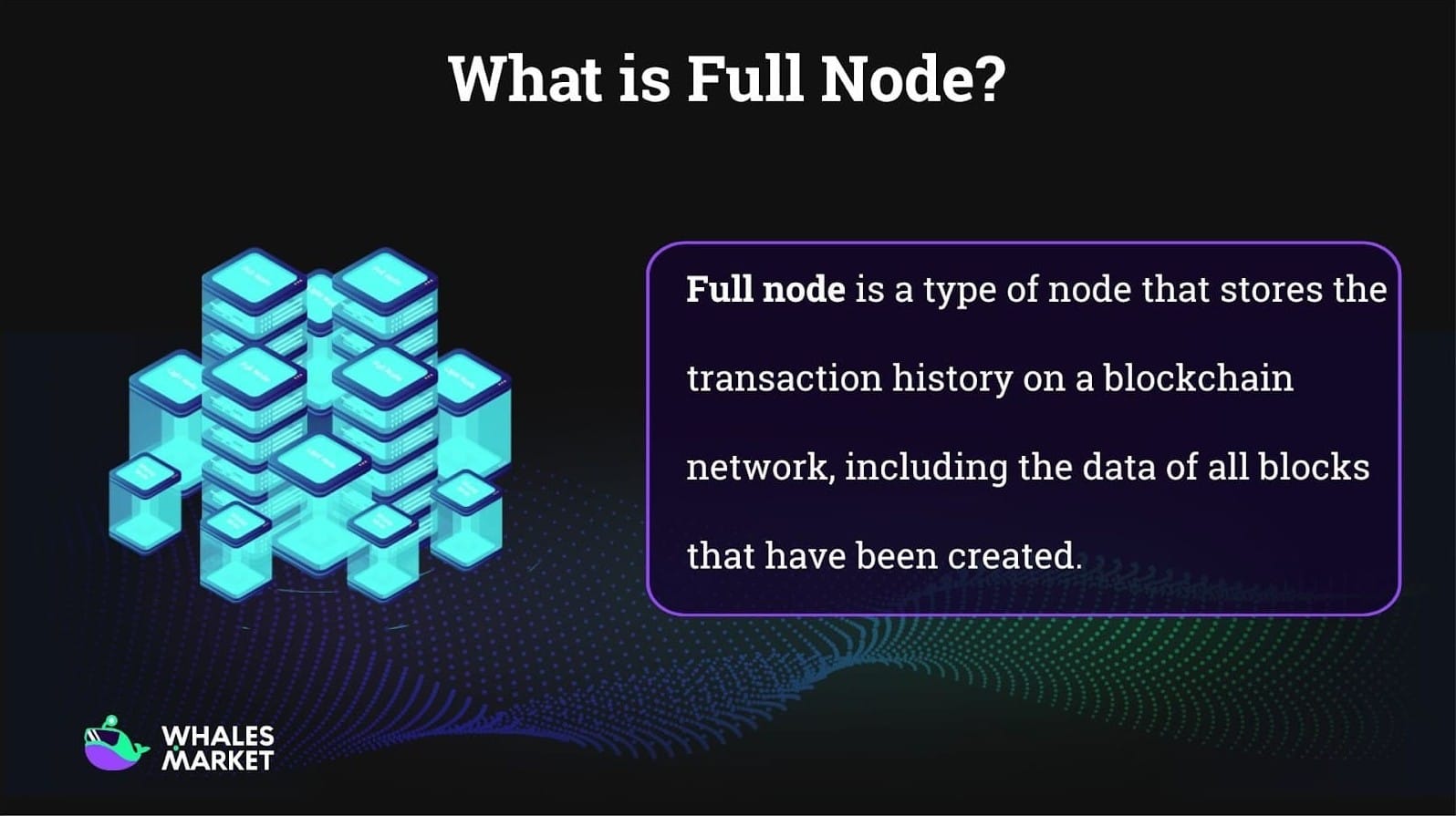
The essence of a full node does not lie in how much data it stores, but in its ability to independently execute blockchain consensus rules without relying on any third party. A full node reads data on its own, runs the protocol software independently, and determines whether the current state of the blockchain is valid.
In other words, a full node acts as an entity that interprets and enforces the rules of the blockchain network. For this reason, full nodes are widely regarded as the foundation that upholds the trustless nature of blockchain, one of the core attributes that gives blockchain its value.
How Does a Full Node Work?
At its core, a blockchain is a distributed network composed of many different nodes, each participating with varying roles and levels of verification. Not all nodes perform full validation. Full nodes are responsible for enforcing the core rules of the consensus mechanism.
When a user initiates a transaction, that transaction is broadcast across the network. For a full node, transaction processing typically involves the following steps:
- Verifying the digital signature to ensure the transaction was created by the legitimate owner
- Checking account balances and state to prevent double spending
- Validating state logic for transactions involving smart contracts, if applicable
- Accepting valid transactions into temporary memory storage known as the mempool and relaying them to other nodes
At this stage, the transaction is not yet permanently recorded on the blockchain. A transaction is only considered finalized once it is included in a new block. When a miner or validator proposes a block, the full node receives that block and performs an independent verification process.
Block verification by a full node includes:
- Checking the block structure and protocol specific technical parameters
- Verifying every transaction contained within the block
- Ensuring state updates comply with consensus logic
- Validating system constraints such as asset issuance rules or transaction fees
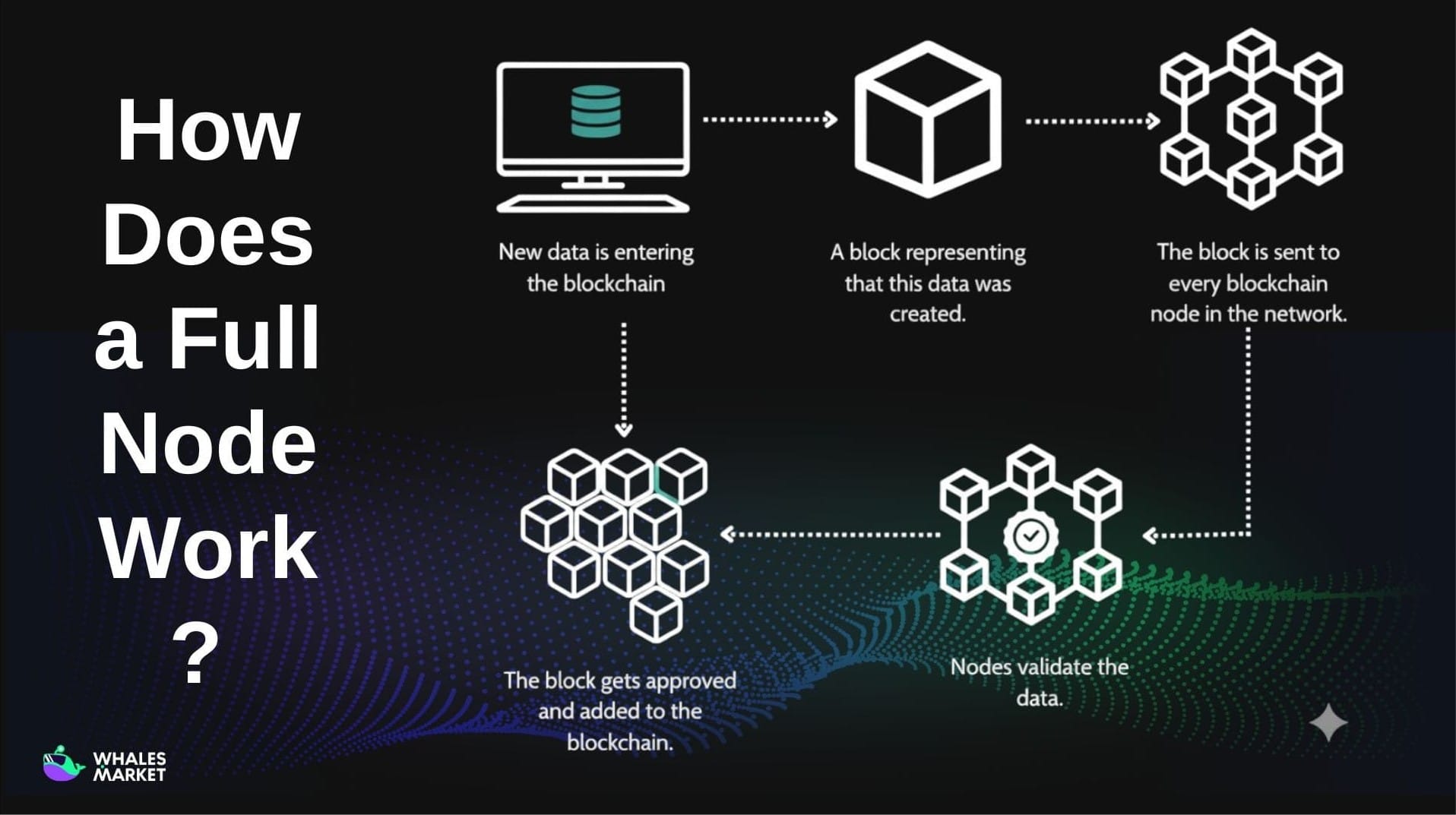
The illustration describes the general transaction processing flow in a blockchain. In practice, not all nodes verify transactions and blocks. Full enforcement of consensus rules and acceptance of valid blocks is performed by full nodes.
An important point to note is that blockchain does not reach consensus by having nodes vote on individual transactions. Instead:
- Miners or validators only have the authority to propose blocks
- Full nodes are responsible for accepting or rejecting blocks
- A block becomes part of the blockchain only when full nodes recognize it as valid
If a block violates any rule, full nodes will reject it regardless of who created it or how many other nodes have accepted it.
This ability to independently verify and store data allows full nodes to maintain blockchain security, decentralization, and resilience, even in scenarios where the network is fragmented, many nodes go offline, or the system is under attack.
Full Node Classification
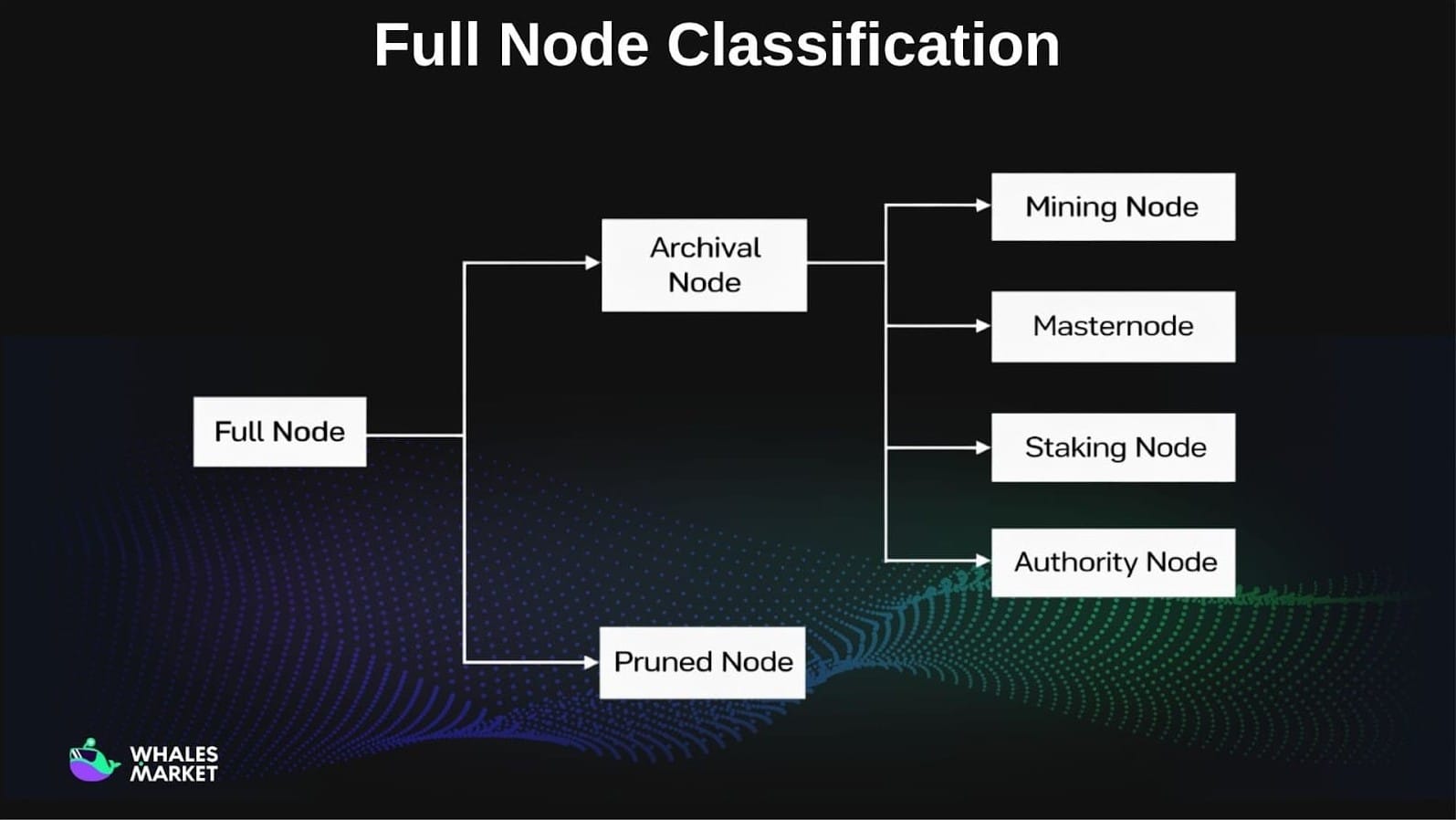
In practice, full nodes can be classified based on how they store data and the roles they play within the blockchain network. Under this approach, full nodes are divided into two primary categories: Archival Nodes and Pruned Nodes, from which more specialized node models may emerge.
Archival Node
An archival node is a type of full node that stores the complete blockchain history, from the genesis block to the most recently produced block, including state data at each point in time. This enables archival nodes to retrieve and reconstruct the blockchain state at any historical block.
Because they maintain comprehensive data, archival nodes often serve as the foundation for node models that require high reliability, historical data access, or deep participation in network operations.
From archival nodes, the following roles may emerge:
- Mining Node: In Proof of Work blockchains, a mining node is an archival node configured with mining functionality. In addition to validating data as a full node, mining nodes participate in solving consensus puzzles to propose new blocks and earn rewards.
- Masternode: A masternode is a form of archival node found in certain blockchain networks, designed to provide advanced services such as fast transactions, privacy features, or other specialized functions. Masternodes typically do not produce blocks directly and instead focus on service layers and network governance.
- Staking Node: In Proof of Stake blockchains, a staking node is an archival node that participates in the staking mechanism to become a validator. These nodes maintain full blockchain data and are eligible to validate or propose blocks based on staked assets and network specific criteria.
- Authority Node: Authority nodes appear in Proof of Authority blockchains. These are pre designated archival nodes responsible for validating blocks and maintaining network operations. Their authority is derived from governance structures, but technically they still operate on top of full node functionality.
Pruned Node
A pruned node is a full node configured to limit storage usage. The node downloads the entire blockchain during synchronization to perform validation, but later removes older data that is no longer necessary to maintain the current blockchain state.
Pruned nodes retain full verification capabilities and participate independently in the network, but they are not suitable for deep historical data queries. This type of node is commonly used when storage resources are limited while maintaining data integrity and security remains a priority.
Why run a Full Node
Running a full node improves data reliability, strengthens network security, and, in some blockchain ecosystems, provides economic incentives for node operators.
First, a full node independently verifies blocks and transactions instead of relying on third party RPC providers. This ensures trustless access to on chain data, reduces censorship risk, and improves system reliability, especially for production applications.
Second, full nodes contribute directly to decentralization and network security. By enforcing consensus rules locally, they help prevent invalid state transitions and reduce the risk of centralized control or network failures.
Third, while not all blockchains reward basic full nodes, many networks offer incentives when nodes participate in validation or staking:
- Bitcoin: There is no direct reward for non mining full nodes, and the primary value lies in sovereignty and security.
- Ethereum: Full nodes alone are not rewarded, but validator nodes earn approximately 3%-5% APR through staking.
- Solana, Cosmos, and Polkadot: Validator nodes receive staking rewards, typically ranging from 6% to 15% APR depending on network conditions.
Finally, full nodes are operationally important for enterprises, exchanges, and wallet providers that require accurate, real time blockchain data without dependency on intermediaries.
Overall, running a full node offers long term strategic value through increased autonomy, security, and potential participation in incentive based network roles.
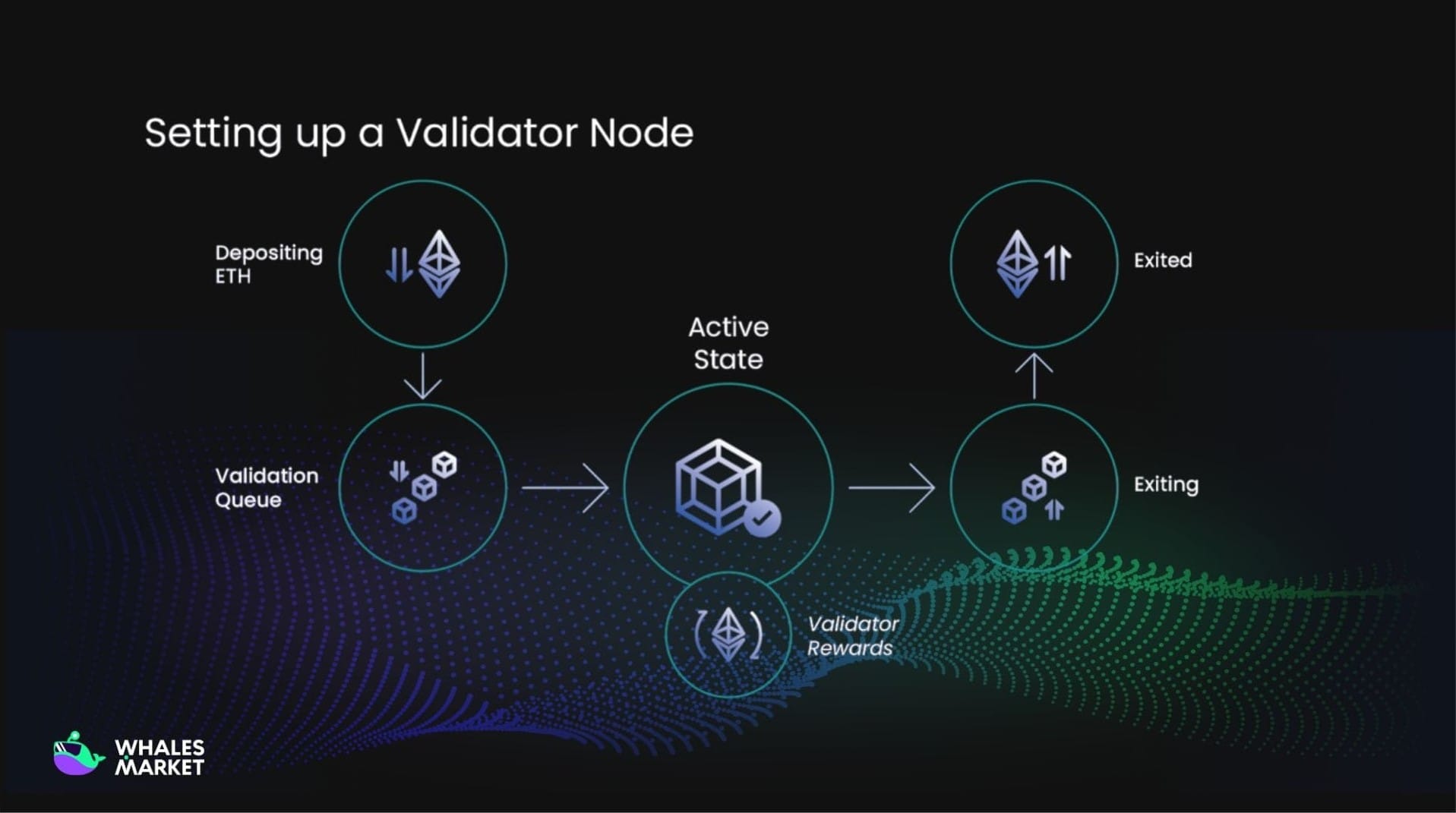
Note: Not all full nodes are identical. In many Proof of Stake blockchains, a full node can become a validator by staking tokens to participate in consensus. Validator nodes still maintain the full blockchain but additionally produce blocks and earn rewards.
Who should run a Full Node?
Running a full node is not always necessary for every blockchain user. However, in certain cases, operating a full node provides clear benefits in terms of reliability, security, and autonomy.
- Builders: Developers building blockchain applications benefit from running full nodes to access accurate on chain data directly without relying on third party RPC services. Full nodes reduce the risk of data inconsistencies and support debugging, testing, and deployment workflows.
- Enterprises: Exchanges, wallets, payment services, and digital asset custody platforms often operate their own full nodes to verify transactions and balances directly from the blockchain rather than depending on intermediary data sources.
- Validators, miners, or staking operators: In most blockchains, participating in validation or block production requires nodes to run full node functionality. This ensures consensus decisions are made based on valid and up to date data.
- Research organizations: Analytics firms, research teams, and blockchain explorer operators rely on full nodes, particularly archival nodes, to query historical data, analyze network behavior, and track state changes over time.
- Security focused users: Individuals who prioritize the principle of don’t trust, verify may choose to run full nodes to independently verify transactions and blockchain state without relying on centralized infrastructure providers.
Who Does Not Need to Run a Full Node?
Not every blockchain user needs to operate a full node. In many cases, doing so consumes significant resources without delivering proportional benefits.
- General users who perform basic transactions such as transferring tokens, using wallets, or interacting with standard dApps.
- Individual investors who primarily track prices, hold assets, and do not require deep on chain data access.
- Users who prioritize convenience and are comfortable relying on wallets or third party RPC services.
- Users who do not require independent verification or direct control over blockchain data.
In these cases, light nodes or existing infrastructure services are typically sufficient to meet usage needs.
Conclusion
The existence of many independent full nodes is a prerequisite for blockchain to maintain long term security, decentralization, and resilience.
Understanding full nodes not only clarifies how blockchain systems operate, but also enables a more accurate assessment of the true level of decentralization within any blockchain network.
FAQs
Q1. What is the difference between a full node vs archive node?
A full node independently verifies transactions and blocks using consensus rules, while a light node relies on other nodes for verification and only stores limited blockchain data.
Q2. Does running a full node give block rewards?
Running a full node alone does not generate rewards. Rewards are only earned if the node also performs roles like mining, validating, or staking, depending on the blockchain.
Q3. Can a full node operate without an internet connection?
A full node requires an internet connection to synchronize data, receive new transactions, and validate blocks. Without connectivity, it cannot stay up to date with the network.
Q4. Is running a full node the same as running a validator?
No. A full node verifies blockchain data, while a validator participates in block production. A validator must run full node functionality, but not all full nodes are validators.
Q5. How does a full node improve blockchain decentralization?
By independently verifying blocks and rejecting invalid data, full nodes prevent reliance on centralized infrastructure and help distribute trust across the network.
Q6. Can a pruned node still verify the blockchain independently?
Yes. A pruned node removes old data to save storage but still validates blocks and enforces consensus rules like a standard full node.