

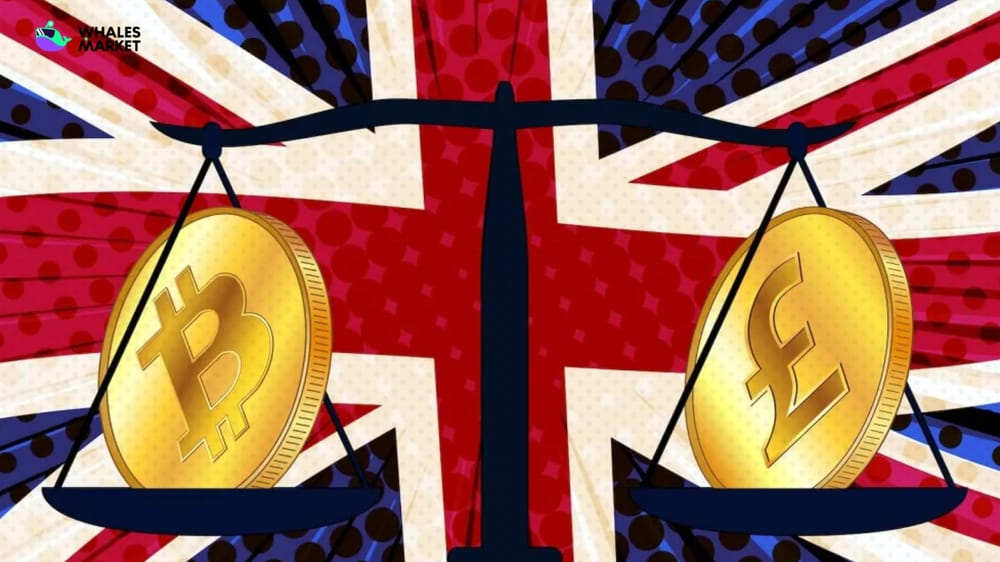
The United Kingdom has formally recognized cryptocurrency as property under its legal framework. This move provides clarity for digital asset ownership and regulation within the UK. The new law aims to foster innovation and attract further investment in the crypto sector. It also seeks to provide a more robust legal foundation for resolving disputes involving cryptocurrencies.
UK Legalizes Crypto as Property
The UK government has officially passed legislation recognizing cryptocurrencies as a form of property. This landmark decision provides legal clarity for individuals and businesses dealing with digital assets. The new law is expected to have significant implications for the regulation and taxation of cryptocurrencies in the UK. It also aims to position the UK as a leading hub for crypto innovation.
The recognition of crypto as property offers several advantages for businesses operating in the UK. It simplifies the process of securing loans using crypto assets as collateral. It also clarifies the legal status of crypto assets in cases of insolvency or bankruptcy. This legal certainty is expected to encourage more institutional investment in the UK crypto market. Businesses will now have a clearer framework for managing and accounting for their crypto holdings.
This legislative change necessitates updates to existing regulatory frameworks to accommodate cryptocurrencies. The Financial Conduct Authority (FCA) will likely need to revise its guidance on crypto asset regulation. Tax authorities will also need to adapt their policies to reflect the new legal status of crypto as property. The move is expected to lead to more comprehensive and tailored regulations for the crypto industry in the UK.
Global Context and Future Outlook
The UK's decision aligns with a growing global trend towards recognizing and regulating cryptocurrencies. Other countries, including the United States and Singapore, have also been exploring similar legal frameworks. This move could encourage other nations to adopt similar legislation, fostering greater international harmonization of crypto regulations. The long-term impact will depend on how effectively the UK implements and enforces the new law.
In conclusion, the UK's formal recognition of crypto as property marks a significant step towards mainstream adoption. This move provides legal clarity, attracts investment, and positions the UK as a forward-thinking jurisdiction in the digital asset space. The impact of this legislation will be closely watched by the global crypto community.
FAQs
What specific types of crypto assets are covered under this new law?
The law broadly defines crypto assets as cryptographically secured digital representations of value or contractual rights that use distributed ledger technology. This encompasses a wide range of cryptocurrencies and digital tokens, including Bitcoin, Ethereum, and stablecoins. The specific classification of certain novel or hybrid crypto assets will likely be determined on a case-by-case basis through legal interpretation and regulatory guidance. The legislation aims to be technology-neutral, allowing for future innovations in the crypto space.
How will this new law affect taxation of cryptocurrencies in the UK?
The recognition of crypto as property will likely lead to adjustments in how crypto assets are taxed. Capital gains tax will likely apply to profits made from the sale or disposal of cryptocurrencies. Income tax may also be applicable if crypto assets are received as payment for goods or services. The UK tax authority, HMRC, will likely issue updated guidance on the tax treatment of crypto assets to reflect the new legal framework.
What recourse do individuals have if their crypto assets are stolen or lost?
With crypto now legally recognized as property, individuals who have their crypto assets stolen or lost may have stronger legal grounds to pursue recovery. They can potentially file civil lawsuits against the perpetrators or seek assistance from law enforcement agencies. The ability to recover stolen crypto assets will depend on various factors, including the ability to identify the perpetrators and trace the movement of the stolen funds. The new law strengthens the legal basis for pursuing such claims.
How does this law compare to crypto regulations in other major economies?
The UK's approach is similar to that of other jurisdictions like the United States and Singapore, which are also working towards providing legal clarity for crypto assets. However, the specific regulations and enforcement mechanisms may vary across different countries. Some countries have adopted a more restrictive approach, while others are more permissive. The UK's new law aims to strike a balance between fostering innovation and protecting consumers and investors.