

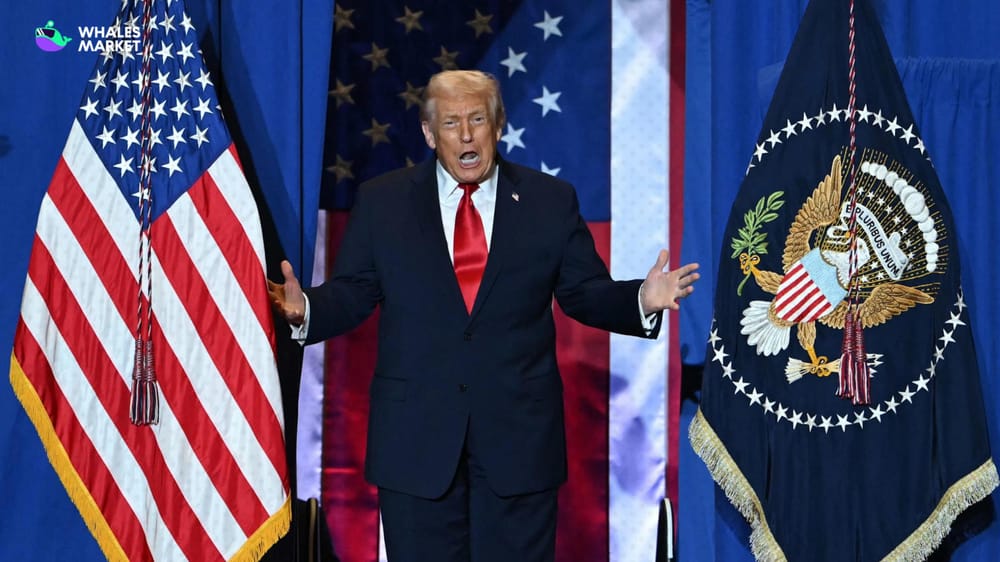
President Trump has publicly considered at least nine different uses for revenue generated by tariffs, dating back to his 2024 campaign. These proposals range from direct payments to citizens to funding government initiatives.
Trump's Tariff Wishlist
The President's enthusiasm for tariffs remains strong. At a recent rally, he declared his deep affection for the word "tariff," ranking it highly among his favorite terms. However, recent actions have tempered the tariff revenue stream. To address concerns about affordability for American consumers, the administration reduced or eliminated tariffs on certain goods like coffee, oranges, and cocoa, which had experienced price increases.
This adjustment led to a slight decrease in monthly tariff revenues, dropping from $31.35 billion in October to $30.76 billion the following month. This marks the first decline since President Trump began implementing his second-term tariff policies. Furthermore, a pending Supreme Court decision could potentially invalidate a significant portion of the new tariffs and even require the President to issue refunds totaling up to $100 billion.
Expanding List of Potential Uses
Recently, the administration announced a $12 billion bailout fund for farmers, attributing its funding to tariff revenue. Economists have noted other potential uses suggested by Trump, including paying down the national debt and even eliminating income taxes altogether. During a campaign event, Trump also suggested using tariff revenue to fund enhanced childcare initiatives.
Other ideas have surfaced, including the creation of a sovereign wealth fund and a "victory fund" for Ukraine, potentially financed by tariffs on China. Tariff revenue has also been used to support the Special Supplemental Nutrition Program for Women, Infants, and Children (WIC) during government shutdowns, with a $300 million allocation.
The Reality of Tariff Revenue
While tariff revenue has reached approximately $236.16 billion this year, the cost of fulfilling Trump's proposed uses often exceeds the available funds. For instance, one estimate suggests that a single round of tariff dividend checks could cost as much as $600 billion and take about two years to pay off solely with tariff revenues.
Analysts contend that sending direct payments would increase the federal budget deficit rather than reduce it. Some experts argue that eliminating tariffs altogether would be a more effective way to alleviate the burden they impose. While President Trump has previously suggested that tariffs could balance the budget, this outcome appears unlikely. Individual income taxes continue to be a far more significant , exceeding $2.5 trillion this year, more than ten times the total tariff revenue collected.
FAQs
What are some of the ways President Trump has suggested using tariff revenue?
President Trump has proposed using tariff revenue for various purposes, including direct payments to citizens, funding a farmer bailout, paying down the national debt, and even eliminating income taxes. Other suggestions include funding childcare initiatives, creating a sovereign wealth fund, and supporting programs like WIC.
Has tariff revenue actually increased under President Trump's policies?
While tariff revenue initially increased, recent reductions and eliminations of tariffs on certain goods have led to a slight decrease in monthly revenue. A pending Supreme Court decision could further reduce tariff revenue and potentially require refunds.
Is it realistic to think tariff revenue can fund all of President Trump's proposals?
It's unlikely, as the article states the cost of fulfilling Trump's proposed uses often exceeds the available tariff revenue. For example, direct payments could cost far more than the total tariff revenue collected, and individual income taxes bring in significantly more revenue.
You've got the context, now make it count. Capitalize on your understanding of the market and take action, because informed decisions lead to profit on Whales Market, the best platform for pre market trading.