

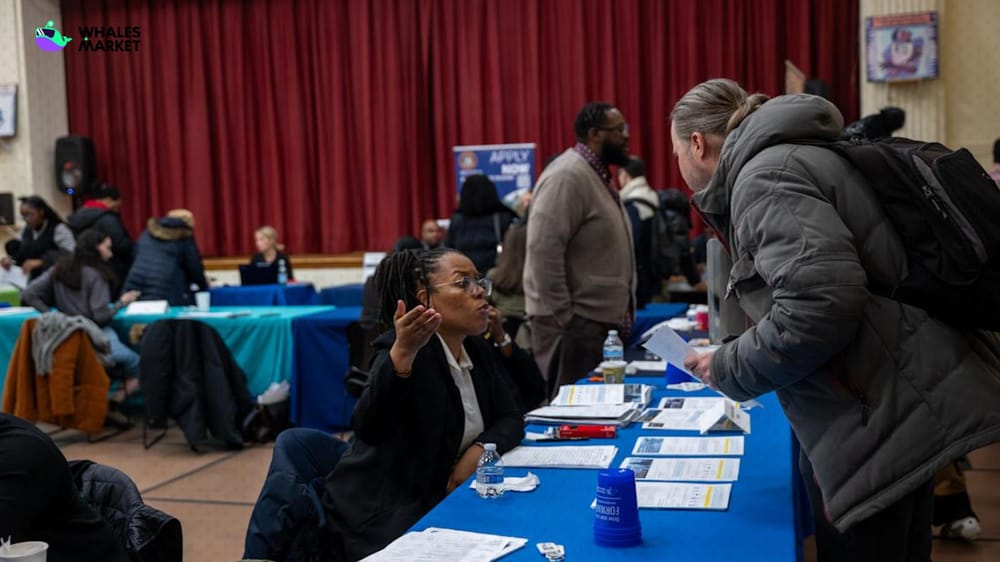
Americans seeking employment in 2025 encountered a difficult landscape, and the outlook for 2026 suggests little improvement. The labor market has essentially stalled, raising concerns about a potential "crack" in the coming year.
Current State of the Labor Market
The unemployment rate in September stood at 4.4%, the highest since October 2021 and a figure that a majority of consumers anticipate will rise further. Job creation has been weak, and layoffs are on the rise. The hiring rate remains depressed, mirroring levels seen during the early stages of the pandemic and in the aftermath of the Great Recession.
One analysis highlighted that the key question isn't whether the stagnant labor market will recover, but whether it will collapse. Certain sectors, such as healthcare, have accounted for a disproportionate share of job growth. A slowdown in these sectors, absent gains in others, could exert additional pressure on the overall job market.
Experts anticipate a continuation of the current "low-hire, low-fire" environment, characterized by a slower and more selective market for both employers and job seekers. The upcoming November jobs report, as well as December data, will provide further insights into the state of the economy.
The Federal Reserve projects that unemployment will peak at 4.5% this year before declining to 4.4% by the end of 2026. The Fed Chairman has acknowledged that the job market is facing pressure, with the possibility of negative job creation. This is coupled with a decrease in the supply of workers, keeping the unemployment rate relatively stable.
Challenges for New Graduates and Future Trends
The job market has been particularly challenging for younger Americans entering the workforce. A survey of employers indicated that a significant portion viewed the market for 2026 college graduates as poor or fair, similar to conditions during the peak of the pandemic.
Most employers plan to maintain their current headcount, a continuation of the frustrating conditions faced by young job seekers in the past year. Hiring projections for the class of 2026 are essentially flat compared to the previous year.
To enhance their competitiveness, college students should focus on skill development, securing internships, and pursuing on-campus employment. Knowledge of AI could be particularly valuable, although some employers are already considering replacing entry-level positions with this technology. However, the prevailing sentiment is that AI will augment jobs rather than replace them entirely.
- Key Takeaways for Job Seekers:
- Focus on skill development
- Seek internships
- Pursue on-campus work
- Develop AI know-how
Factors Influencing the Labor Market
Some experts suggest that the negative sentiment surrounding the labor market may be overstated, as fewer jobs may be needed due to lower immigration levels, leading to a more stable unemployment rate. This perspective views the current situation as a delayed effect of a soft landing achieved by the Federal Reserve.
The aging population and restrictive immigration policies are also impacting the labor supply, resulting in a lower threshold for payroll gains needed to maintain a stable unemployment rate. Expect modest payroll gains in future jobs reports.
FAQs
What is the outlook for the US job market in 2026?
The outlook for the US job market in 2026 suggests little improvement from the difficult conditions seen in 2025, with concerns about a potential "crack" or collapse due to stagnant job creation and rising layoffs. Experts anticipate a continuation of the "low-hire, low-fire" environment.
How are new college graduates expected to fare in the 2026 job market?
The job market is expected to be challenging for new college graduates in 2026, with employers viewing the market as similar to pandemic conditions and hiring projections remaining flat. Students should focus on skill development, internships, and AI knowledge to improve their competitiveness.
What factors are influencing the current US labor market stagnation?
The labor market stagnation is influenced by weak job creation, rising layoffs, and a depressed hiring rate. Some experts suggest lower immigration levels may also contribute to a more stable unemployment rate despite fewer jobs being created.
You've got the context, now make it count. Capitalize on the latest market movements and take control of your investments; explore Whales Market for prediction market and premarket trading crypto.