

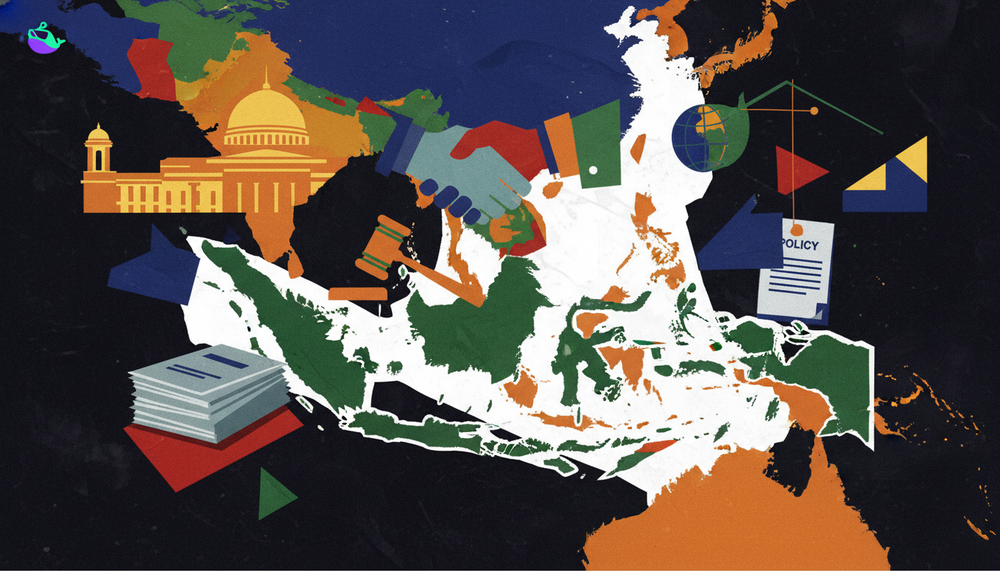
Key Developments in 2025
This review examines a turbulent year in Southeast Asia, marked by political shifts, natural disasters, and economic realignments. Several significant events shaped the region's trajectory.
- In the Philippines, former President Rodrigo Duterte was arrested and handed over to the International Criminal Court by his successor, Ferdinand Marcos Jr.
- Myanmar was struck by a devastating earthquake, impacting the country's central region and potentially aiding the ruling junta's efforts to consolidate power.
- Singapore held its first election under new Prime Minister Lawrence Wong, with the ruling party maintaining a strong position.
- Extreme weather and flooding affected the Philippines, Vietnam, Thailand, and Indonesia, highlighting the region's vulnerability to climate change.
- An investigation exposed the deep entrenchment of scam groups within the Cambodian government.
However, four specific narratives emerged as particularly impactful, reshaping the region's landscape: the Thailand-Cambodia conflict, Southeast Asia's resilience amidst tariffs, the rise of Gen Z activism, and To Lam's efforts to transform Vietnam.
Thailand-Cambodia Conflict
The conflict between Thailand and Cambodia has reignited. Tensions escalated rapidly, with Thailand pursuing what appears to be an aggressive military strategy.
The Thai military has articulated ambitions to neutralize Cambodia's military capabilities and implement a naval embargo. Prime Minister Anutin Charnvirakul seems to be leveraging nationalist sentiment, dissolving the House of Representatives to call for early elections.
The origins of the conflict are rooted in long-standing border disputes. Recent incidents involving Thai soldiers injured by landmines heightened tensions, with accusations exchanged regarding the laying of new mines. A leaked phone call between Cambodia's leader, Hun Sen, and Thailand's Prime Minister Paetongtarn Shinawatra, further destabilized the situation, contributing to the latter's removal from power. Both sides accuse each other of initiating the latest round of fighting, but Thailand seemingly possesses a battlefield advantage and is determined to exploit it.
Southeast Asia's Economic Resilience
Despite initial predictions of economic downturn following the imposition of tariffs, Southeast Asia has demonstrated surprising resilience. Preliminary data suggests the region has not only weathered the storm but may have even benefited from the changing global trade landscape.
A report indicates that the region is projected to export significantly more goods this year compared to the previous year. Southeast Asia's exports to the United States have surpassed those of China, owing to lower average tariffs. Investment in the region has also remained robust.
While concerns existed that Chinese goods excluded from the United States would flood the Southeast Asian market, this has proven to be a mixed bag. Some sectors face increased competition, while others benefit from access to cheaper intermediate and capital goods from China. However, trade agreements committing Malaysia and Cambodia to aligning with U.S. export controls aimed at China have generated friction. Indonesia, in particular, has experienced a decline in exports and investment outflows.
The Rise of Gen Z Activism
Southeast Asia experienced a surge in youth-led protests, mirroring a global trend. Young populations, discontent with corruption, and inspiration drawn from international movements fueled these demonstrations.
- In the Philippines, ongoing protests have focused on corruption related to flood prevention projects, a critical issue given the increasing frequency of extreme weather events.
- Indonesia witnessed significant protests sparked by outrage over parliamentarians' housing allowances and the death of a delivery driver during a riot.
- Timor-Leste saw student-led protests against excessive benefits for lawmakers.
While some concessions have been made, many grievances remain unaddressed. Attempts by the Philippine president to portray himself as an anti-corruption reformer have been undermined by scandals involving close allies. In Indonesia, cuts to parliamentarians' allowances were followed by new perks. Timor-Leste appears to be an exception, with concessions holding for the time being.
To Lam's Vision for Vietnam
In 2025, To Lam, Vietnam's leader, initiated a significant overhaul aimed at propelling the country towards an "era of national rise." He envisions achieving double-digit growth by 2030 and has been implementing rapid changes to achieve this goal.
| Goal | Action |
|---|---|
| Double-digit growth by 2030 | Implementing rapid changes |
| Streamline business regulations | Aiming to attract more foreign investment |
| Investment in infrastructure | Focus on energy and transportation |
| Crackdown on corruption | To Lam intensified his anti-corruption efforts, targeting officials and business leaders suspected of illicit activities, including those with ties to previous administrations. |
To Lam's approach has generated both excitement and unease. While some view his transformative agenda as necessary for Vietnam's progress, others worry about the potential for increased authoritarianism and the impact on individual freedoms.
FAQs
What are the major political and economic events that shaped Southeast Asia in 2025?
Key events included Rodrigo Duterte's arrest, an earthquake in Myanmar, Singapore's election under a new PM, extreme weather, and exposure of Cambodian scam groups. The Thailand-Cambodia conflict and Southeast Asia's economic resilience amidst tariffs were also significant.
Why has conflict reignited between Thailand and Cambodia, and what are the implications?
The conflict stems from long-standing border disputes, exacerbated by recent incidents and leaked communications. Thailand appears to be pursuing an aggressive military strategy, potentially destabilizing the region.
How has Southeast Asia's economy performed despite new tariffs, and why?
Southeast Asia has shown surprising economic resilience, with exports projected to increase and investment remaining robust. The region's exports to the US have surpassed China's due to lower average tariffs.
You've got the context, now make it count. Leverage your knowledge of the political landscape and make informed decisions on The go-to Whales Market for premarket trading crypto.