

OpenAI is determined to make its mark in the hardware space, despite facing increasing competition to maintain its leading position in AI model development.
OpenAI's Hardware Ambitions Remain Strong
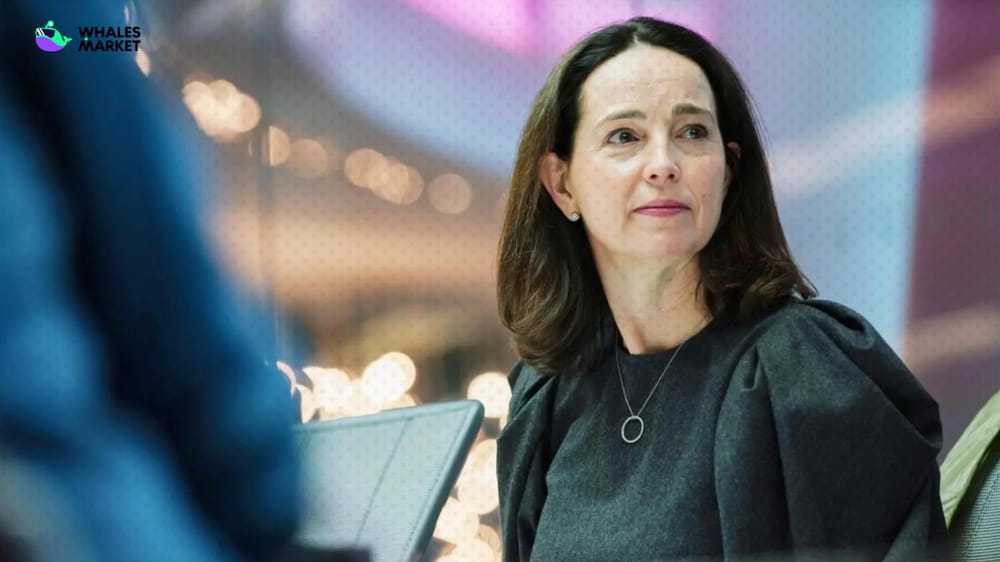
According to OpenAI CFO Sarah Friar, the company's hardware initiatives are still very much in progress. While she didn't provide specific details or timelines, she emphasized that hardware development requires a longer timeframe compared to software. "It's coming. The hardware is still very much coming," Friar stated. "No changes right now. No announcements to be made."
Friar drew upon her experience at Square to illustrate this point, noting that software can be iterated upon rapidly, while hardware requires a more extended "gestation period."
Speculation Surrounding OpenAI's Device
The potential for an OpenAI hardware product has generated considerable excitement and speculation. Earlier this year, OpenAI acquired Io, a startup led by former Apple designer Jony Ive, in a substantial all-equity deal. Ive, known for his work on the iPhone alongside Steve Jobs, brings significant design expertise to the table.
Reports suggest that OpenAI's device could be a pocket-sized, screen-less device with contextual awareness, utilizing built-in cameras and microphones to gather information from its surroundings. Some speculate that it might resemble an iPod Shuffle worn around the neck, running OpenAI's advanced AI models and seamlessly integrating with existing user devices and ecosystems.
Addressing "Code Red" Concerns
Recent reports suggested a potential slowdown in OpenAI's hardware efforts after CEO Sam Altman issued a "code red" memo, prioritizing the core product, ChatGPT. This was partly driven by increased competition from Google's Gemini 3 model and the growing popularity of Anthropic among business clients.
Friar clarified that the "code red" simply emphasizes the importance of focusing on ChatGPT as the primary objective. The company is also focused on improving human-AI interaction. Despite the model's advanced capabilities, it's often used for simple tasks, highlighting the need for more intuitive and natural interaction methods.
The Future of Human-AI Interaction
Friar envisions a future where AI interaction is more multimodal, allowing users to communicate with AI through voice, sight, and sound, rather than solely through text-based interfaces. She believes that new hardware solutions can play a crucial role in realizing this vision, making AI more accessible and intuitive for everyone.
While acknowledging the dominance of Apple's iPhone and the niche occupied by Meta's smart glasses and VR headsets, Friar remains optimistic about the potential of AI-driven hardware to transform how we interact with technology. She noted how previous eras inspired devices "where we talk with our thumbs," but AI "is multimodal. We can experience it in this much more human, intuitive way."
FAQs
Is OpenAI actually developing a hardware device?
Yes, according to CFO Sarah Friar, OpenAI's hardware initiatives are still in progress despite increased competition. While details are scarce, the company believes hardware is crucial for the future of AI interaction.
What might OpenAI's hardware device look like?
Speculation suggests it could be a screen-less, pocket-sized device with cameras and microphones, potentially resembling an iPod Shuffle. The device would leverage OpenAI's AI models for contextual awareness and seamless integration with existing devices.
Did OpenAI halt hardware development due to competition from Google and Anthropic?
No, the "code red" memo from CEO Sam Altman focused on prioritizing ChatGPT, but hardware development continues. OpenAI aims to improve human-AI interaction through more intuitive interfaces, which hardware can facilitate.
You've got the context, now make it count. Capitalize on these insights and explore new opportunities in prediction market trading crypto with Whales Market.