

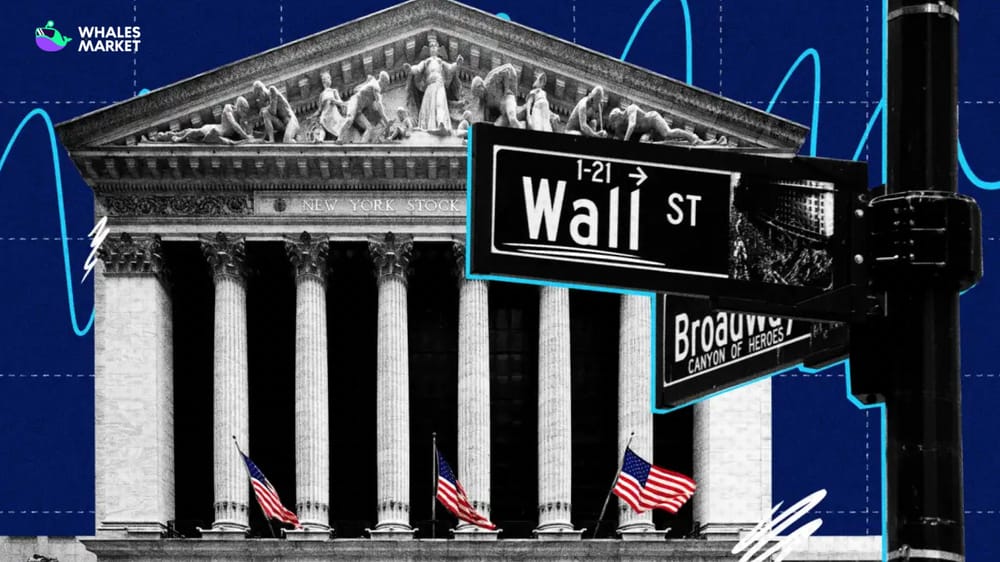
Wall Street's outlook on the stock market is becoming increasingly optimistic as we approach 2026. This follows the S&P 500 and Dow reaching record highs in the same week that the Federal Reserve decided to lower interest rates.
Driving this positive sentiment is the perception that Federal Reserve Chair Jerome Powell's comments after the recent policy meeting were not as hawkish as anticipated. Some analysts believe that Powell's successor, potentially appointed by President Trump, might favor even lower rates, leading to further monetary and fiscal stimulus.
Bullish Forecasts and Economic Drivers
The Fed's revised GDP forecast of 2.3% for 2026 is also contributing to the bullish sentiment. This projection suggests increased revenue, improved profit margins, and stronger earnings growth for companies. This has prompted several Wall Street strategists to raise their price targets for the S&P 500.
Ed Yardeni recently increased the probability of his "Roaring 2020s" scenario to 60%, citing tax benefits and the boom in AI technology. Oppenheimer has set a 2026 target of 8,100 for the S&P 500, emphasizing the impact of shifting monetary and fiscal policies on corporate earnings and consumer spending. UBS is similarly optimistic, projecting a December 2026 target of 7,700, driven by resilient economic expansion, Fed rate cuts, and increased investment in AI.
Goldman Sachs analysts are predicting S&P 500 earnings growth exceeding 12% in 2026. While the largest seven stocks currently dominate a significant portion of the index's earnings, Goldman Sachs anticipates broader participation in earnings growth across the remaining stocks.
Consumer Tailwinds and Sector Opportunities
Looking ahead, strategists are closely monitoring potential consumer tailwinds, particularly as the Trump administration focuses on addressing affordability concerns.
Victoria Fernandez of Crossmark Global Investments highlights this tailwind but advises against concentrating investments in a single sector. While she remains positive on the AI sector, she recommends a selective approach, focusing on "second-level" AI players. Fernandez suggests identifying companies that will effectively implement AI.
Beyond the tech sector, Fernandez recommends exploring industries exhibiting positive technical trends or showing signs of bottoming out relative to the broader market. She identifies potential growth opportunities in the transportation, homebuilding, healthcare, and energy sectors, advising investors to carefully select opportunities within these areas.
FAQs
Why are Wall Street analysts optimistic about the stock market in 2026?
Optimism stems from expectations of continued economic expansion driven by Fed rate cuts, increased investment in AI, and potentially further monetary and fiscal stimulus under a new administration. Revised GDP forecasts and anticipated earnings growth are also contributing factors.
What S&P 500 target prices are Wall Street firms predicting for 2026?
Oppenheimer has set a 2026 target of 8,100 for the S&P 500, while UBS projects a December 2026 target of 7,700. Ed Yardeni increased the probability of his "Roaring 2020s" scenario, citing tax benefits and the boom in AI technology.
Besides AI, what other sectors should investors consider for potential growth in 2026?
Investors should explore industries exhibiting positive technical trends or showing signs of bottoming out, such as transportation, homebuilding, healthcare, and energy. A selective approach within these sectors is recommended.
You've got the context, now make it count. Leverage your financial knowledge and start trading on the best crypto premarket and prediction market platform powered by Whales Market.