

Microsoft's AI Success Extends Beyond OpenAI
While OpenAI remains a significant partner, Wall Street is increasingly focused on Microsoft's independent strides in the rapidly expanding field of artificial intelligence. This has positioned the technology giant to potentially add trillions to its market capitalization in the coming years.
According to Wedbush analyst Dan Ives, Microsoft is projected to reach a $5 trillion market cap in 2026 as the AI revolution progresses. This is a significant jump from Microsoft's current market capitalization of $3.59 trillion.
The Microsoft-OpenAI Partnership
The collaboration between Microsoft and OpenAI began in 2019 with Microsoft's initial $1 billion investment in OpenAI. This investment provided Microsoft with early access to advanced AI models, giving it a competitive advantage. In return, OpenAI received the necessary computing power, infrastructure, and re.
For Microsoft, the partnership was a strategic move to capitalize on the potential of AI as a major technological shift. Since the initial investment, Microsoft has reportedly invested approximately $13 billion in OpenAI. However, despite owning an estimated 27% stake in OpenAI, experts suggest that Microsoft's future success is not solely dependent on its stake in OpenAI.
Microsoft's Broader AI Strategy
Microsoft's strength in AI lies in its comprehensive integration of AI across its entire technology ecosystem. This includes Azure, Office, developer tools, enterprise software, and consumer products like Bing and Edge.
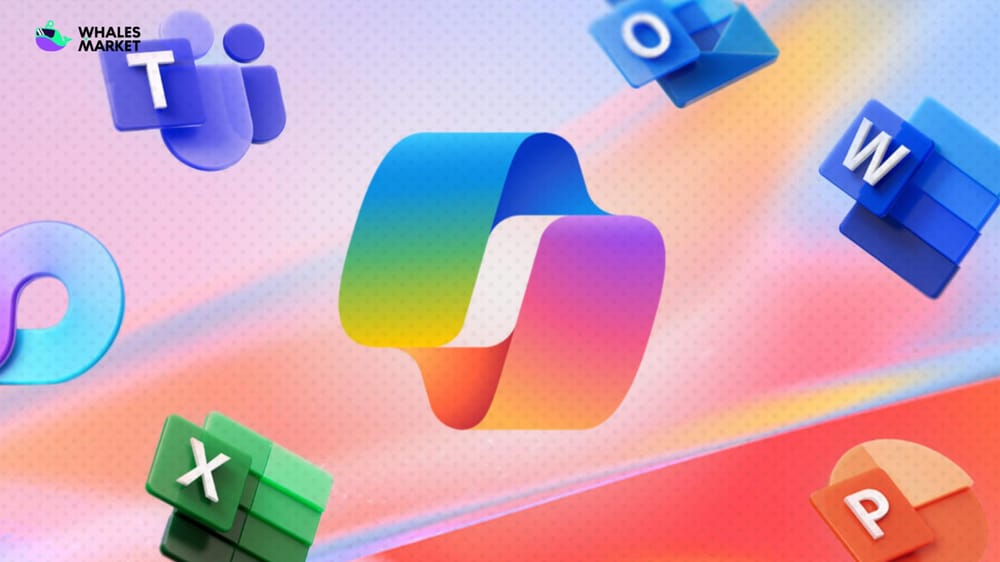
- Copilot: A key example of this integration is Copilot, Microsoft's suite of AI assistants, which is integrated into Microsoft 365, Windows, and GitHub.
- Infrastructure: According to Logan Brown, founder of Soxton.AI, Microsoft's ability to integrate AI tools like Copilot across its suite of products uniquely positions it in the AI landscape. Many companies rely on Microsoft's infrastructure.
Microsoft is focusing on key trends in 2026, including enhancing human capabilities, improving agent safeguards, and addressing health disparities.
The pace of AI innovation within Microsoft, coupled with its massive scale, is reassuring investors. They are increasingly confident that Microsoft's reliance on OpenAI is lessening, even though the partnership remains important.
Internal Development and Strategic Hedging
NYU Stern professor Robert Seamans notes that Microsoft is strategically hedging its bets by developing its own AI capabilities internally, while still relying on its partnership with OpenAI. This approach allows Microsoft to provide tailored AI solutions to its diverse customer base, drawing from both internal and external re.
Analysts are divided on the long-term importance of OpenAI to Microsoft's overall investment strategy.
RBC analyst Rishi Jaluria contends that Microsoft benefits from a "multiyear head start" in AI due to its early investment in OpenAI. This head start has provided Microsoft with intellectual property rights, preferred pricing, and research access, giving it a significant advantage in the AI race.
However, Jaluria also emphasizes the importance of avoiding over-reliance, both for Microsoft and OpenAI:
- Microsoft shouldn't be too reliant on OpenAI.
- OpenAI shouldn't be too reliant on one company.
The financial benefits from OpenAI are also more limited than some investors believe. Despite its stake, Microsoft only accounts for its share of losses from OpenAI on its income statement.
FAQs
How is Microsoft expanding its AI capabilities beyond its partnership with OpenAI?
Microsoft is integrating AI across its entire technology ecosystem, including Azure, Office, developer tools, and consumer products like Bing and Edge, with tools like Copilot. They are also developing internal AI capabilities to provide tailored solutions to customers.
What is Wall Street's outlook on Microsoft's AI strategy and potential market capitalization?
Wall Street is increasingly optimistic about Microsoft's independent AI advancements, projecting a potential $5 trillion market capitalization by 2026. Analysts believe Microsoft's comprehensive AI integration and internal development are reassuring investors.
What is Microsoft's financial investment in OpenAI, and how crucial is this partnership to Microsoft's future AI success?
Microsoft has reportedly invested approximately $13 billion in OpenAI and owns an estimated 27% stake. While the partnership provided a multiyear head start, experts suggest Microsoft's future success is not solely dependent on OpenAI, as they are developing their own AI capabilities.
You've got the context, now make it count. Capitalize on your newfound knowledge and start trading with confidence on Whales Market, the best platform for pre market trading.