

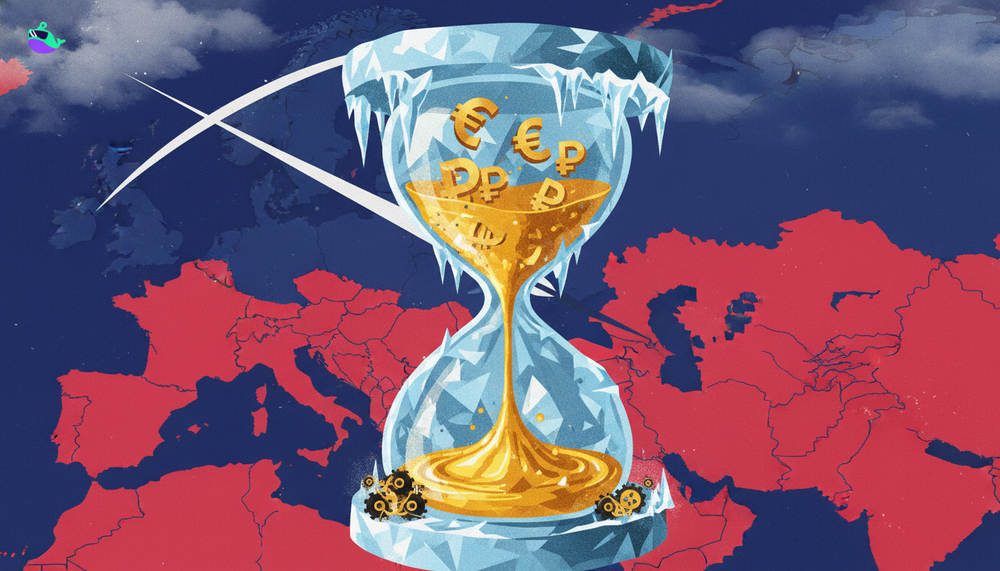
Europe is in a race against time to access frozen Russian assets to aid Ukraine, with Brussels attempting to garner support for a novel plan to utilize billions of Moscow's funds. This initiative aims to provide crucial financial assistance to Kyiv.
The Urgency of Financial Support for Ukraine
Securing substantial financial aid for Ukraine is paramount, arguably as important as resolving issues related to the size of Ukraine's post-war military, the structure of a potential European security force, or the reliability of U.S. security guarantees. The efforts to transform frozen Russian funds into an immediate loan for Ukraine, amounting to at least 140 billion euros, are therefore attracting significant attention.
According to U.S. Senator Sheldon Whitehouse, the monetization of these reserves is a "global security issue." Lucas Guttenberg, a director at Bertelsmann Stiftung, emphasized that security details in peace proposals are irrelevant if Ukraine is financially crippled. He expressed hope for a breakthrough, stressing the need to find the necessary funds to meet Kyiv's financial obligations over the next two fiscal years.
The Obstacles to Accessing Frozen Assets
Since the onset of the war in Ukraine, Russian overseas reserves have been frozen. However, Europe has faced challenges in monetizing the over 200 billion euros held for Ukraine's benefit. While the bloc has approved small-scale loans backed by interest from the reserves, a more ambitious plan involves a lump-sum loan backed by the entirety of Russia's frozen assets, repayable after Russia fulfills post-war reparations. The EU established a commission to address claims for damages to Ukraine caused by the Russian invasion.
Initially, there were reservations from countries like Belgium, Hungary, and Slovakia. More recently, opposition to the "reparations loan" plan has grown, with Italy, Bulgaria, Malta, and the Czech Republic also expressing concerns about seizing Russia's assets. While EU rules have shifted to allow approval of measures related to Russian assets by a "qualified majority," Europe is hesitant to push the proposal through without broader consensus.
The Stakes and Potential Implications
German Chancellor Friedrich Merz has cautioned that Europe's reputation would suffer if it fails to agree on a way to tap the assets. EU foreign affairs chief Kaja Kallas has acknowledged the increasing difficulty of implementing the plan. Ukrainian President Volodymyr Zelenskyy has urged the Netherlands to support the loan proposal, insisting that the funds be used to defend against Russia's aggression and that "the aggressor must pay."
Some speculate that the newfound skepticism towards the loan proposal reflects a desire among right-wing governments to gain favor with the Trump administration, which had previously sought to use the frozen Russian assets for the benefit of the United States and Russia through for-profit investment vehicles. Guttenberg suggests that the decision to support the loan will test whether leaders like Italian premier Giorgia Meloni prioritize European interests or closer ties with Trump.
Belgium's Hesitation and Europe's Progress
Belgium remains a key obstacle, despite Europe's efforts to provide guarantees to address concerns about potential legal liability for accessing the frozen assets. Russia has already initiated legal actions in this regard.
Despite the challenges, Europe has taken a significant step by indefinitely freezing Russia's overseas funds. By invoking an emergency powers clause, Brussels has permanently frozen the 210 billion euros of Russian Central Bank assets held in various member states. This move eliminates the need for unanimous consent every six months, which had previously led to threats from Hungary and concerns about the premature release of the funds.
| Country | Position on Seizing Assets |
|---|---|
| Belgium | Hesitant |
| Hungary | Opposed |
| Slovakia | Opposed |
| Italy | Opposed |
| Bulgaria | Opposed |
| Malta | Opposed |
| Czech Republic | Opposed |
| Netherlands | Supportive |
FAQs
Why is Europe trying to access frozen Russian assets?
Europe aims to use billions in frozen Russian assets to provide crucial financial assistance to Ukraine, which is seen as vital for its security and stability. The proposed plan involves using these assets to secure a large loan for Kyiv.
What are the main obstacles to using Russia's frozen assets to aid Ukraine?
Several EU countries, including Italy, Bulgaria, and Hungary, have expressed reservations about seizing Russia's assets, hindering the effort to achieve a broad consensus needed for the plan's implementation. Concerns range from legal complexities to potential repercussions.
What are the potential consequences if Europe fails to access these frozen assets?
Failure to agree on a way to tap the assets could damage Europe's reputation and leave Ukraine financially vulnerable, undermining its ability to defend itself and rebuild. Some speculate political motivations are also at play.
You've got the context, now make it count. Put your knowledge to work and explore the potential of informed trading, starting with Discover the top crypto premarket platform Whales Market.