

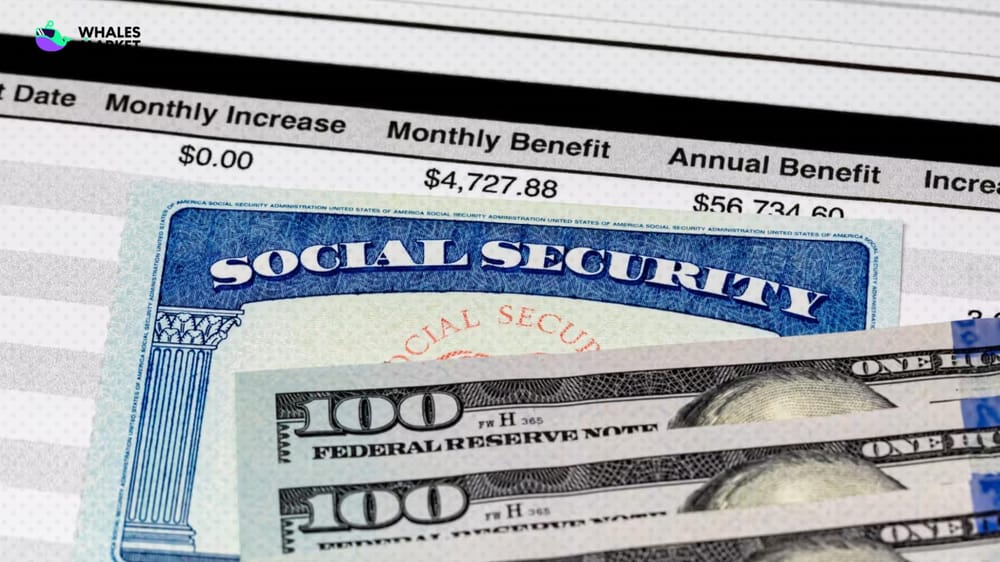
Deciding when to begin receiving Social Security benefits is a complex and deeply personal matter. Recent discussions, fueled by advice from social media influencers advocating for taking benefits as early as age 62 and investing them, have sparked considerable debate and diverse opinions. Many people have shared their experiences and plans, highlighting the various factors that influence this important decision.
Understanding the Social Security Basics
It's crucial to understand the fundamental rules governing Social Security benefits. Electing to receive benefits as early as age 62 results in a significant reduction, potentially as much as 30%, compared to the amount one would receive at their full retirement age (FRA). For those born in 1960 or later, the FRA is 67.
Conversely, delaying benefits beyond the FRA until age 70 leads to delayed retirement credits, effectively increasing benefits by roughly 8% for each year of delay. Furthermore, individuals who continue working after claiming Social Security but before reaching their FRA may have a portion of their benefits temporarily withheld if their earnings exceed a certain limit (approximately $23,000). However, this limit increases substantially in the year one reaches FRA, and the earnings test ceases entirely in the month of FRA. While the withheld amount isn't returned as a lump sum, the monthly benefit is adjusted upwards to ensure full recoupment of the withheld funds over time. The Social Security Administration (SSA) provides a calculator on their website to assist with these calculations.
The Great Debate: Early vs. Late
Financial advisors and retirement experts often suggest that delaying Social Security until age 70, if feasible, results in a larger monthly payment for the remainder of one's life. This strategy maximizes guaranteed income and provides a hedge against longevity risk.
However, the counter-argument for taking benefits at 62 centers on the idea that investing those early payments can generate returns sufficient to offset the reduced check amount. This approach carries market risk but potentially offers greater overall wealth accumulation.
Personal Circumstances Matter Most
The optimal age to begin receiving Social Security benefits is highly individualized. Factors such as personal health, family history of longevity, existing retirement savings, and current employment situation all play a significant role.
Many acknowledge that there is no universal "right" answer and that the decision should be based on a comprehensive assessment of one's unique circumstances. Losing a job close to retirement age, for example, can significantly alter the equation, making early claiming a more attractive option.
Weighing the Risks and Rewards
Taking Social Security at 62 and investing the money can be a viable strategy, especially for those who don't need the income immediately and are comfortable with market risk. The potential for investment growth can outweigh the reduction in benefits. However, it's essential to consider the guaranteed, risk-free nature of delayed Social Security benefits, which also come with automatic annual cost-of-living adjustments (COLAs) that protect against inflation. For many retirees, these COLAs are a vital .
Some individuals choose to split the difference, starting benefits at an age between 62 and 70. This allows them to receive some income while still working and investing a portion of it. This approach balances immediate needs with long-term financial security.
Ultimately, the decision of when to take Social Security is a personal one.
FAQs
Is it always best to delay Social Security until age 70?
No, the best age to start receiving Social Security benefits depends on individual circumstances like health, retirement savings, and employment status. While delaying until 70 maximizes your monthly payment, it might not be the right choice for everyone.
What happens if I work while receiving Social Security benefits before my full retirement age?
If you work before your full retirement age and your earnings exceed a certain limit (around $23,000), a portion of your Social Security benefits may be temporarily withheld. However, your monthly benefit will be adjusted upwards later to recoup the withheld funds.
How much less Social Security will I receive if I start taking benefits at age 62?
Electing to receive benefits at age 62 results in a significant reduction, potentially as much as 30%, compared to what you would receive at your full retirement age. For those born in 1960 or later, the full retirement age is 67.
You've got the context, now make it count. Capitalize on these market trends and discover new opportunities on prediction market and pre market trading crypto with Whales Market.