

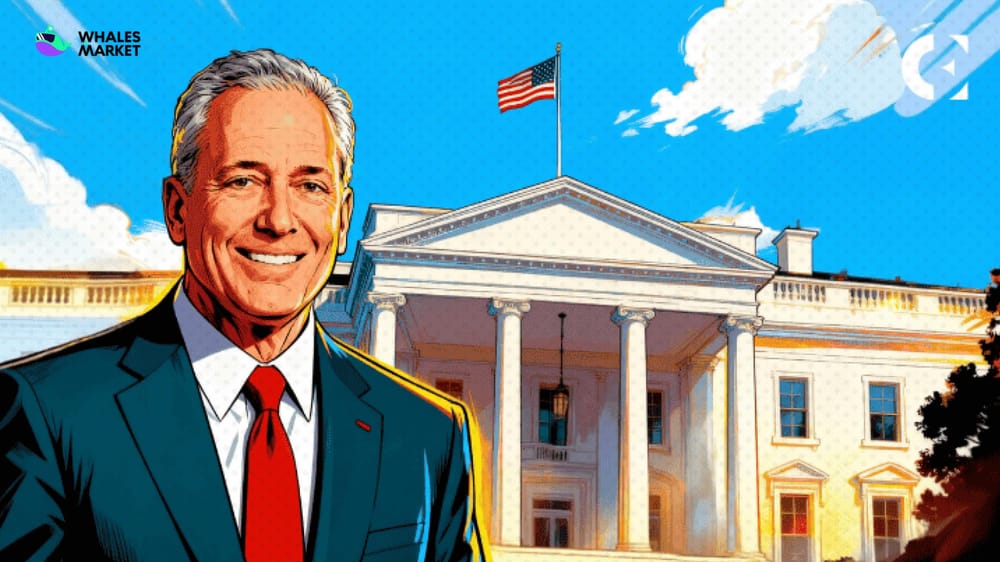
Venture capitalist and advisor David Sacks has publicly accused The New York Times of conducting a biased investigation into his advisory roles. Sacks alleges the newspaper has spent five months probing potential "conflicts of interest" related to his involvement as a White House advisor on artificial intelligence and cryptocurrency matters. He claims the Times has repeatedly altered its accusations after initial claims were refuted and has misrepresented his responses to their inquiries.
Sacks Accuses NYT of Misrepresentation
David Sacks has hired the law firm Clare Locke to address what he describes as unfair reporting practices by The New York Times. He has made public the correspondence between himself and the newspaper in an effort to demonstrate the alleged misrepresentation of his statements and the shifting nature of the accusations against him. Sacks contends that the Times has ignored or distorted his responses to their questions during their five-month investigation.
Alleged Conflicts of Interest Investigation
The core of the dispute centers on the New York Times' investigation into potential conflicts of interest arising from Sacks' dual roles as a White House advisor on AI and crypto, and his private sector activities. The specific nature of the alleged conflicts has not been publicly detailed by the Times. Sacks maintains that the newspaper's claims are unfounded and that he has fully cooperated with their investigation, providing detailed responses to their inquiries.
Clare Locke Engaged for Legal Representation
Clare Locke LLP, a law firm specializing in defamation and media litigation, has been retained by David Sacks to represent him in this matter. The firm's involvement signals a potentially escalating legal battle between Sacks and The New York Times. By releasing the correspondence publicly, Sacks appears to be attempting to control the narrative and garner public support in advance of any potential legal action.
FAQs
What is the focus of Clare Locke's legal expertise?
Clare Locke LLP specializes in representing individuals and organizations in defamation, media law, and crisis communications. Their expertise includes handling high-profile cases involving allegations of libel, slander, and other forms of reputational damage. The firm's involvement suggests Sacks is prepared to pursue legal remedies if he believes his reputation has been harmed by the New York Times' reporting.
What is the potential impact of this dispute on the AI and crypto industries?
The dispute could raise questions about the scrutiny applied to individuals who advise the government on emerging technologies like AI and cryptocurrency, particularly those with private sector interests. It may also influence the level of transparency and disclosure expected of advisors in these fields. The outcome of this situation could set a precedent for how media outlets investigate and report on potential conflicts of interest involving government advisors.
What specific types of documents were included in the released correspondence?
While the exact contents of the released correspondence haven't been specified, it likely includes emails, letters, and other written communications between David Sacks and reporters or editors at The New York Times. These documents would presumably contain the questions posed by the newspaper, Sacks' responses, and any related exchanges concerning the investigation into potential conflicts of interest. The release of these documents is intended to provide transparency and support Sacks' claims of misrepresentation.
What are the possible outcomes of this situation?
Several outcomes are possible, ranging from a retraction or correction by The New York Times to a full-blown legal battle. The newspaper could choose to publish its findings, potentially leading to a defamation lawsuit by Sacks. Alternatively, the parties could reach a settlement, or the Times could decide to drop the investigation altogether. The situation remains fluid and the ultimate resolution is uncertain.
Conclusion
The public dispute between David Sacks and The New York Times highlights the increasing tension between media scrutiny and the involvement of private sector individuals in government advisory roles. The outcome of this situation could have implications for how potential conflicts of interest are investigated and reported in the rapidly evolving fields of AI and cryptocurrency.