

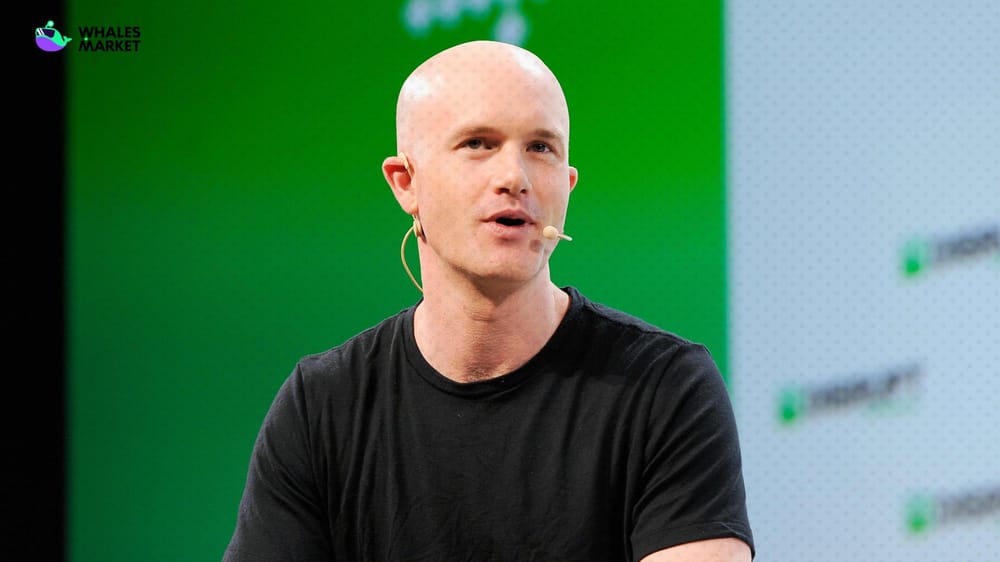
Coinbase CEO Brian Armstrong has recently voiced his strong belief in the future of tokenization. This endorsement signals a potentially significant shift in how assets are managed and exchanged. Armstrong's statement highlights the growing importance of blockchain technology beyond cryptocurrencies.
Armstrong's Vision for Tokenization
Brian Armstrong, CEO of Coinbase, stated that "tokenization is the future," emphasizing his conviction in the technology's transformative potential. Tokenization involves representing real-world assets on a blockchain. This process can apply to various assets, including real estate, commodities, and intellectual property.
Armstrong's support suggests Coinbase may be preparing to expand its services to include more tokenized assets. This move could broaden the accessibility and liquidity of traditionally illiquid assets. The integration of tokenization could also streamline processes like trading and ownership transfer.
Potential Benefits of Tokenization
Tokenization offers several advantages over traditional asset management. Fractional ownership becomes easier, allowing more investors to participate in high-value assets. Increased transparency and security are inherent benefits of blockchain technology. Reduced administrative overhead and faster transaction times are also significant improvements.
For example, tokenizing real estate can allow multiple investors to own a share of a property. This lowers the barrier to entry compared to purchasing an entire property outright. Smart contracts can automate rent distribution and other management tasks, further streamlining the process.
Coinbase's Role in the Tokenization Landscape
Coinbase, as a major player in the cryptocurrency exchange market, is well-positioned to influence the adoption of tokenization. Its existing infrastructure and user base provide a solid foundation for offering tokenized assets. The company's involvement could legitimize and popularize tokenization among mainstream investors.
Coinbase could potentially list tokenized securities, real estate, or other assets on its platform. This would provide increased liquidity and accessibility for these assets. The company's regulatory compliance expertise could also help navigate the complex legal landscape surrounding tokenized assets.
Industry-Wide Implications
Armstrong's statement reflects a broader trend towards tokenization within the blockchain industry. Many companies are exploring the potential of tokenizing various assets. This trend is driven by the desire to improve efficiency, transparency, and accessibility in traditional markets.
The growth of tokenization could lead to the creation of new financial products and services. It could also disrupt existing industries by offering more efficient and transparent alternatives. The long-term impact of tokenization on the global economy remains to be seen, but its potential is significant.
Conclusion
Brian Armstrong's endorsement of tokenization highlights its growing importance in the blockchain space. As companies like Coinbase explore and implement tokenization strategies, the technology's potential to transform asset management and financial markets becomes increasingly apparent. The future will likely see a greater integration of tokenized assets into the mainstream financial system.
FAQs
What types of assets can be tokenized?
Virtually any asset can be tokenized, including real estate, stocks, bonds, commodities, art, and intellectual property. The process involves creating a digital representation of the asset on a blockchain. This allows for fractional ownership, easier transfer, and increased transparency. The possibilities are vast and continue to expand as the technology evolves.
How does tokenization improve liquidity?
Tokenization enhances liquidity by breaking down large, indivisible assets into smaller, more affordable units. This allows a broader range of investors to participate, increasing demand and trading volume. The ease of transfer on a blockchain also contributes to improved liquidity. This can be particularly beneficial for traditionally illiquid assets like real estate or fine art.
What are the regulatory challenges associated with tokenization?
The regulatory landscape surrounding tokenization is still evolving. Many jurisdictions are grappling with how to classify and regulate tokenized assets. Issues such as securities laws, anti-money laundering (AML) regulations, and investor protection need to be addressed. Clear and consistent regulatory frameworks are crucial for fostering the responsible growth of the tokenization industry.
How does tokenization differ from traditional securitization?
While both tokenization and securitization involve creating marketable securities from assets, they differ in several key aspects. Tokenization leverages blockchain technology for increased transparency, efficiency, and fractional ownership. Traditional securitization often involves complex legal structures and intermediaries, which can be costly and opaque. Tokenization aims to streamline the process and reduce reliance on intermediaries.