

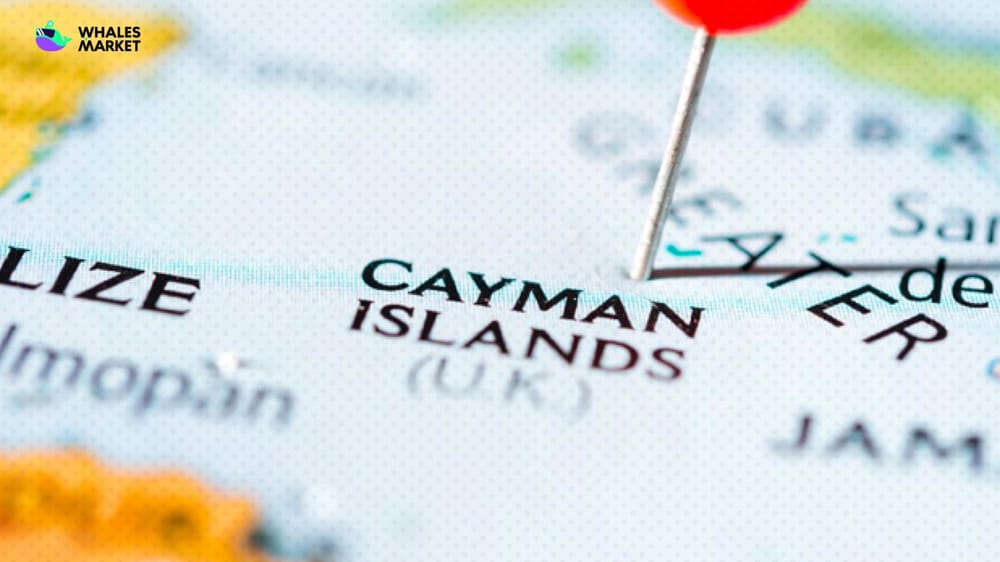
The Cayman Islands are solidifying their position as a key jurisdiction for Web3 foundations. Registrations have seen substantial growth, particularly among Decentralized Autonomous Organizations (DAOs) seeking a stable legal framework.
Surge in Web3 Foundation Registrations
Web3 foundation registrations in the Cayman Islands experienced a significant increase, climbing 70% year-over-year. By the close of 2024, the total number of registered foundations exceeded 1,300. This growth trend continued into 2025, with over 400 new registrations recorded in the first five months alone, indicating sustained interest in the jurisdiction.
The Cayman Islands' legal and regulatory environment is proving attractive to Web3 projects. The jurisdiction offers a degree of clarity and stability that is highly valued in the rapidly evolving digital asset space. This has led to its emergence as a preferred location for establishing foundations that support various Web3 initiatives.
Cayman Foundations as DAO Legal Structures
Cayman foundations are increasingly becoming the legal structure of choice for DAOs. At least 17 of these foundations hold treasuries exceeding $100 million, highlighting the significant capital managed within these structures. This preference is driven by the need for DAOs to have a recognized legal entity to manage assets, interact with traditional financial systems, and ensure compliance with regulatory requirements.
The use of foundations provides DAOs with a level of legal certainty that is often lacking in more informal organizational structures. This allows them to operate with greater confidence and attract larger investments. The Cayman Islands' established legal framework and reputation for financial services contribute to its appeal for DAOs seeking a robust and reliable legal base.
OECD CARF Framework and Crypto Assets
The Organization for Economic Cooperation and Development (OECD) Crypto-Asset Reporting Framework (CARF) is set to take effect in 2026. This framework will require crypto exchanges and custodians to conduct due diligence on their customers and report transactions to tax authorities. The aim is to increase transparency and prevent tax evasion in the crypto space.
However, protocol treasuries and passive foundations holding assets are expected to be exempt from these reporting requirements. This exemption recognizes the unique nature of these entities and the challenges associated with applying traditional financial reporting standards to decentralized systems. The distinction aims to strike a balance between regulatory oversight and fostering innovation in the Web3 sector.
Conclusion
The Cayman Islands are becoming a hub for Web3 foundations, particularly those supporting DAOs. The upcoming OECD CARF framework is expected to provide clarity for the sector, potentially solidifying the jurisdiction's appeal for passive foundations and protocol treasuries.
FAQs
What specific advantages do Cayman Islands foundations offer to DAOs compared to other jurisdictions?
Cayman Islands foundations offer a well-established legal framework, political stability, and a sophisticated financial services industry. This provides DAOs with a level of legal certainty and access to traditional financial services that may be lacking in other jurisdictions. The jurisdiction's tax neutrality is also an attractive feature for many Web3 projects.
How might the OECD CARF framework impact crypto exchanges and custodians in practice?
The OECD CARF framework will require crypto exchanges and custodians to implement robust due diligence procedures to identify their customers and report their transactions to tax authorities. This will likely involve significant investments in technology and compliance infrastructure. The framework aims to ensure that crypto assets are subject to the same tax reporting standards as traditional financial assets.
What are the potential implications of exempting protocol treasuries and passive foundations from CARF reporting requirements?
Exempting protocol treasuries and passive foundations from CARF reporting requirements could encourage innovation and investment in the Web3 space. It recognizes the unique nature of these entities and the challenges associated with applying traditional financial reporting standards to decentralized systems. However, it also raises concerns about potential tax avoidance, which regulators will need to monitor closely.
What factors could influence the continued growth of Web3 foundation registrations in the Cayman Islands?
The continued growth of Web3 foundation registrations in the Cayman Islands will depend on several factors, including the evolving regulatory landscape, the overall health of the crypto market, and the jurisdiction's ability to maintain its competitive advantage. Changes in tax laws, increased regulatory scrutiny, or the emergence of more attractive jurisdictions could all impact the growth trajectory.