

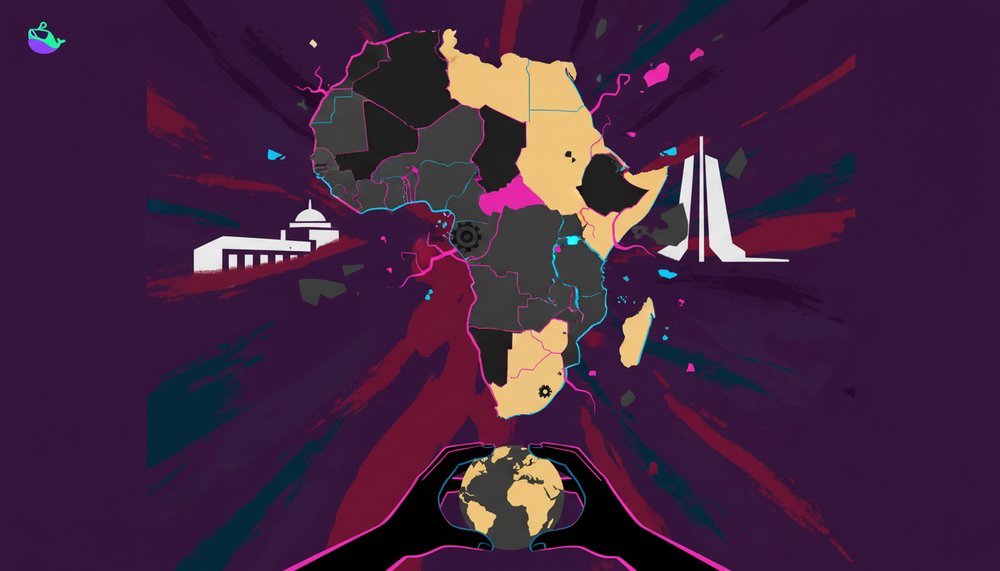
The recent failed coup attempt in Benin, a small West African nation, has brought the region's underlying geopolitical tensions into sharp focus. This event is more than just a domestic issue; it highlights the increasing instability across West Africa.
International Involvement and Regional Divisions
President Talon's government was preserved through a multinational intervention led by Nigeria, Benin's larger neighbor. Nigeria deployed its air force to target rebel positions and bolster pro-government forces. France, seeking to maintain influence amid regional resentment and the failure of its counterinsurgency efforts, provided logistical and intelligence support from its base in Ivory Coast, acting discreetly behind Nigeria and ECOWAS.
However, France's involvement sparked controversy. Critics overlooked the fact that Benin had an elected government and a president preparing for a peaceful transfer of power after his second term. Instead, they criticized Talon's efforts to limit the opposition's political space. Paradoxically, these same critics seemed unconcerned by the coup plotters' lack of commitment to democracy or human rights.
Some went further, suggesting Nigeria's intervention was driven by ulterior motives, with France pulling the strings behind the scenes. The recent tax data-sharing agreement between Nigeria and France fueled claims that intervening in Benin was the price of doing business with Paris.
Shifting Alliances and Emerging Power Blocs
Adding to the complexity, Burkina Faso, Benin's neighbor to the northwest, temporarily detained a Nigerian military transport plane during the intervention. Burkina Faso, along with Mali and Niger, forms the Alliance of Sahel States (AES), a bloc aiming to reduce French influence in the region. These states have demanded the withdrawal of French anti-insurgency troops, despite facing ongoing attacks by militant Islamist groups. All three have experienced coups in the last five years and are currently under military rule.
These landlocked and economically challenged nations withdrew from ECOWAS in January, believing that collective action will better serve their defense and development interests than previous arrangements with France or broader West African alliances.
- Alliance of Sahel States (AES): Burkina Faso, Mali, Niger
- Goal: Reduce French influence, enhance regional security and development
Nigeria's Motivations and Broader Challenges
Nigeria's intervention in Benin may be driven by its own concerns, rather than solely by external pressures. Nigeria faces numerous challenges, including Islamist insurgencies and localized banditry. The country has also been criticized by some international actors, highlighting the complexity of Nigeria's internal and external dynamics.
| Factor | Description |
|---|---|
| Internal Security Threats | Islamist insurgencies, localized banditry |
| International Relations | Complex relationships with Western powers |
| Regional Influence | Desire to maintain stability and project power in West Africa |
However, examining Nigeria's motivations strictly within the context of its own national interests provides a sufficient explanation for its actions in Benin. Watching instability spread to a neighboring country poses a clear and present danger to Nigeria's own security and stability.
FAQs
Why did the coup attempt in Benin fail?
The coup failed due to a multinational intervention led by Nigeria, which deployed its air force, and logistical and intelligence support from France. This support bolstered pro-government forces and targeted rebel positions.
What is the Alliance of Sahel States (AES) and why is it relevant to the situation in Benin?
The AES is a bloc comprised of Burkina Faso, Mali, and Niger aiming to reduce French influence in the region. Burkina Faso's temporary detention of a Nigerian military plane during the intervention in Benin highlights the shifting alliances and regional divisions.
What were the potential motivations behind Nigeria's intervention in Benin?
Nigeria's intervention may be driven by its own security concerns, such as Islamist insurgencies and banditry, in addition to any external pressures. Some critics have suggested ulterior motives tied to a tax data-sharing agreement with France.
You've got the context, now make it count. Leverage your informed perspective beyond the ballot box and Access early markets with the best platform for pre market trading: Whales Market